Understanding our changing planet.
The Earth is constantly changing. By observing, recording, and learning from those changes, we can better understand our world and prepare for the future.
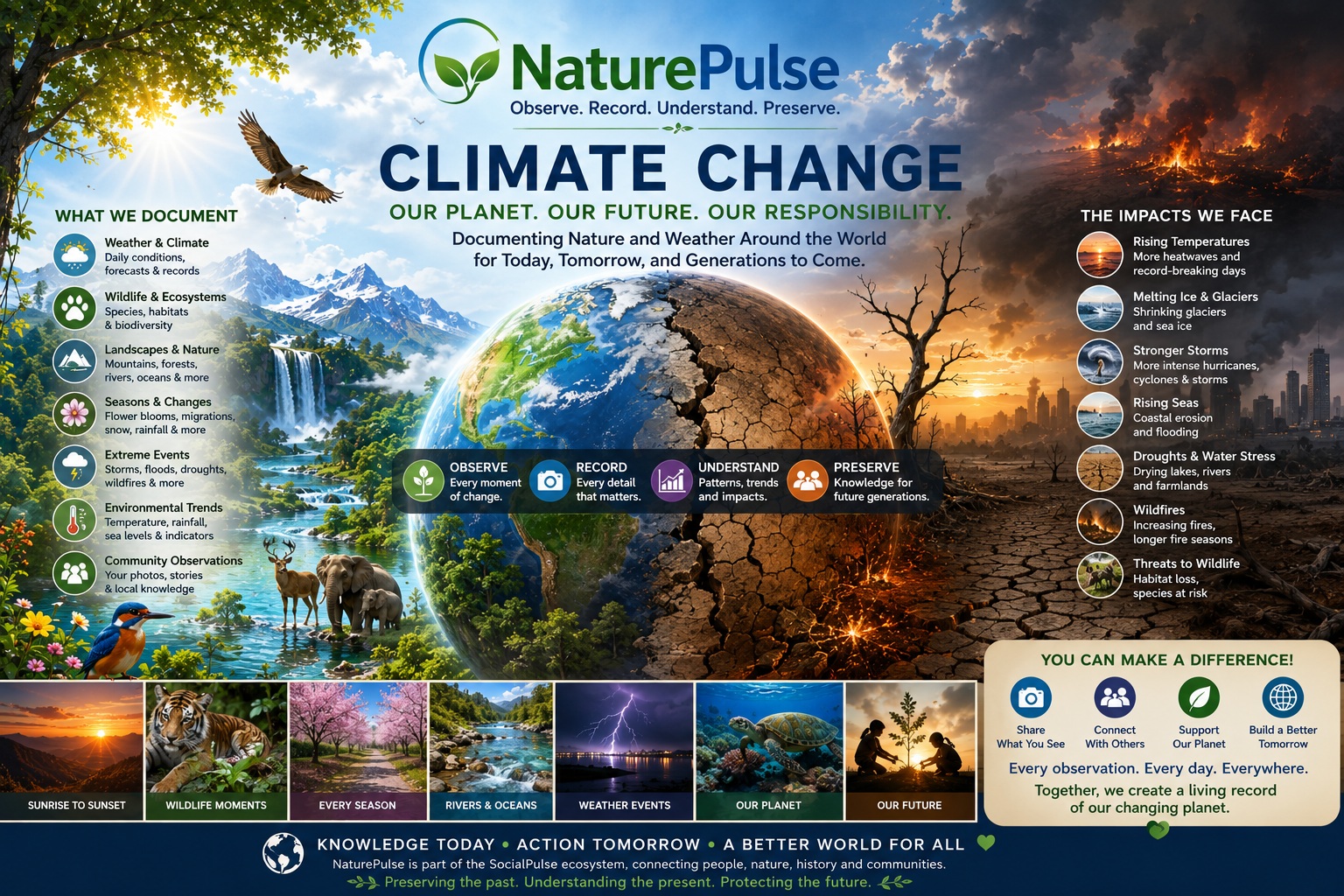
Welcome to Climate Change.
Climate has always influenced the way people live. It determines where forests grow, where rivers flow, where crops thrive, when birds migrate, and how communities prepare for the changing seasons. Throughout history, societies have adapted to floods, droughts, storms, and changing weather patterns. Today, advances in science and technology allow us to observe these changes with greater detail than ever before.
Climate Change is one of the most important subjects of our time because it affects every continent, every country, every ecosystem, and every community.
The Climate Change section of NaturePulse, part of the SocialPulse ecosystem, is dedicated to documenting the Earth's changing environment through accurate observations, historical records, scientific information, and community contributions.
A living record of our planet.
Every day, millions of changes occur across Earth.
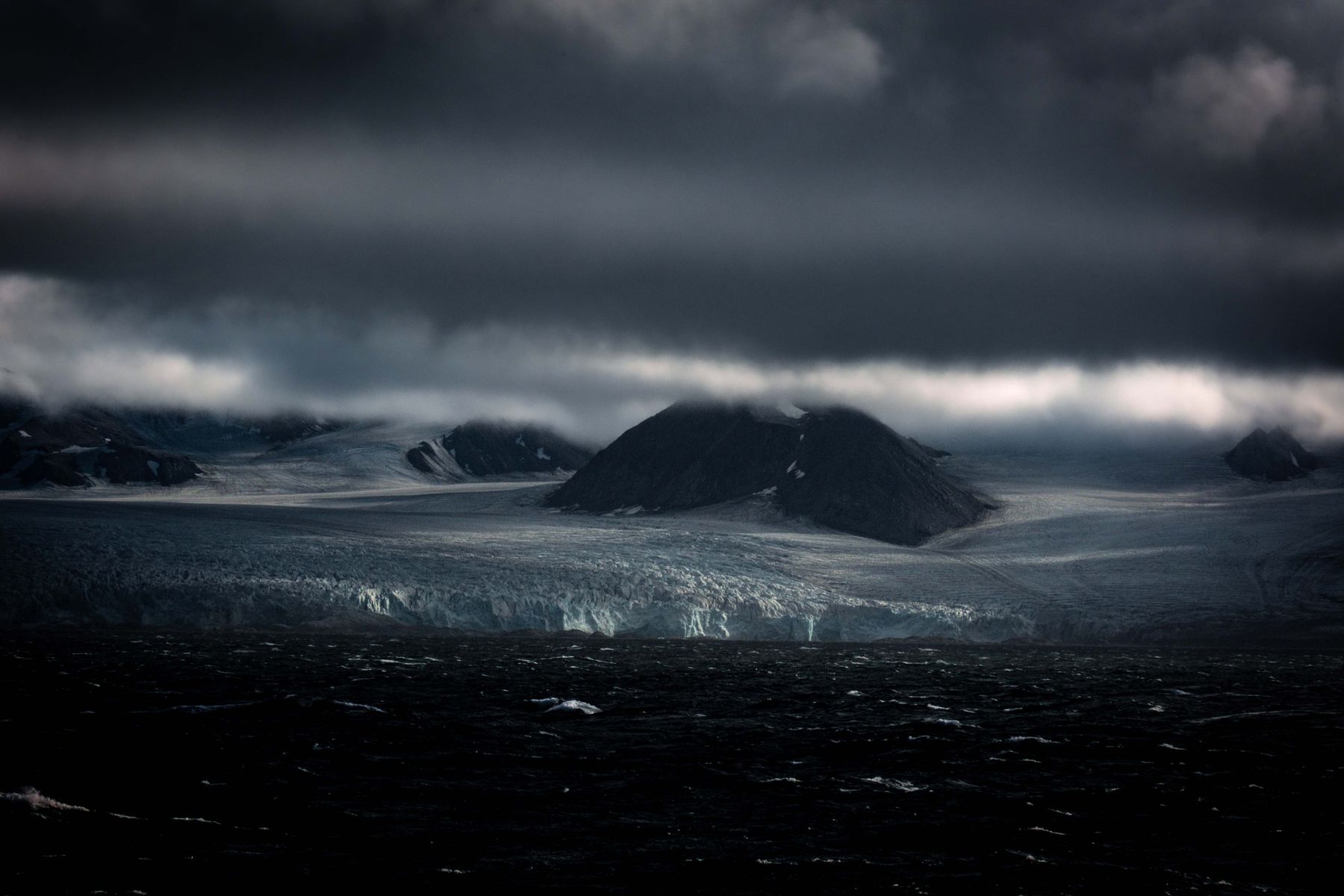
- A glacier slowly retreats.
- A river rises after heavy rainfall.
- A coral reef experiences warmer waters.
- Migratory birds arrive earlier than expected.
- A forest recovers after a wildfire.
- A new weather record is set.
- A community experiences its hottest summer.
Each event is one piece of a much larger story. NaturePulse is building a permanent environmental archive where these observations become part of a global timeline that can be explored by everyone.
One hot day is not a trend.
Understanding long-term environmental change requires consistent observations over many years. One unusually hot day does not define a climate trend. One severe storm does not explain long-term weather patterns. Meaningful understanding comes from carefully documenting thousands of observations across many seasons, years, and decades.
NaturePulse is designed to become one of the world's largest continuously growing collections of environmental observations by documenting nature and weather every single day.
- Every sunrise photographed.
- Every rainfall measured.
- Every bird migration recorded.
- Every flowering season observed.
- Every storm documented.
- Every weather record preserved.
The Earth,
in numbers.

You can't separate what you observe.
Nature and weather cannot be separated. Weather influences every living ecosystem.
- Temperature affects flowering plants.
- Rainfall shapes rivers and wetlands.
- Snowfall supplies mountain watersheds.
- Ocean temperatures influence marine life.
- Wind patterns affect migration.
- Seasonal cycles determine agriculture.
- Wildlife responds to changing habitats.
NaturePulse brings these connections together in one place, allowing people to see how landscapes, biodiversity, and weather interact over time.
A record of every storm.
At the heart of NaturePulse is the Global Weather Almanac. This growing archive documents weather events from every corner of the world.
Each event includes location, date, geographic information, photographs, videos, news articles, scientific context, and community experiences — a lasting historical resource.
Thirty-five years
of a warming planet.
A vertical timeline from 1990 to 2025. Select a year to see how the planet's vitals shifted — and what happened that season.
- 1990+0.45°C · 354.4 ppm
- 1998+0.63°C · 366.7 ppm
- 2005+0.68°C · 379.8 ppm
- 2012+0.65°C · 393.9 ppm
- 2016+1.02°C · 404.2 ppm
- 2020+1.28°C · 414.2 ppm
- 2023+1.45°C · 421.1 ppm
- 2025+1.54°C · 424.6 ppm
First IPCC assessment. Kyoto talks begin.

Not just weather. The whole ecosystem.
NaturePulse documents much more than weather. The platform also records long-term changes in:
By connecting these observations with weather and climate records, NaturePulse provides a broader understanding of environmental change.
The record
doesn't lie.
Drag the handle. Watch decades collapse into a single frame. These comparisons speak louder than any headline — glaciers, lakes, and forests, side by side with themselves.
Muir Glacier, Alaska
1941 → 2024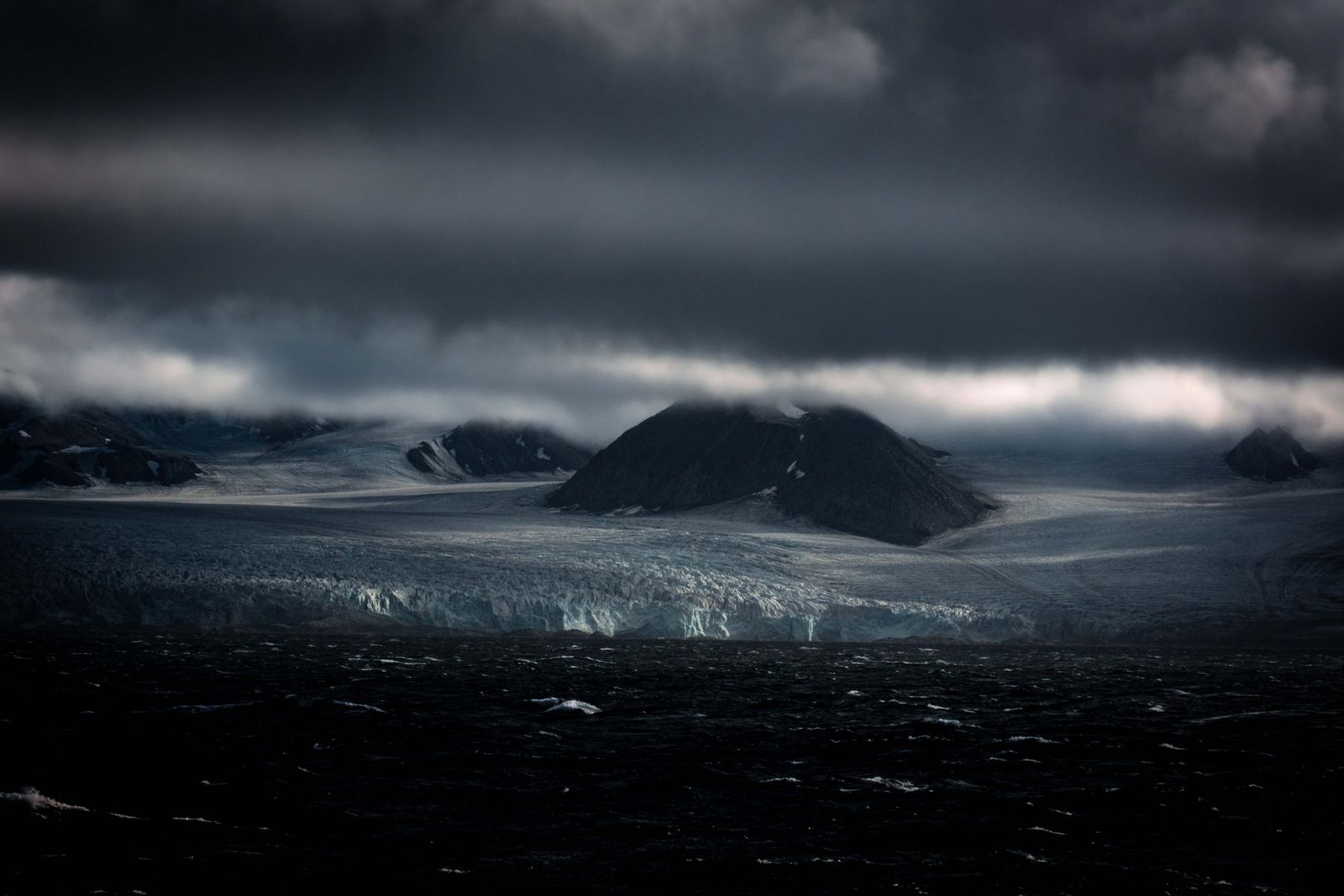

The Muir Glacier retreated more than 12 km in the second half of the 20th century.
Aral Sea, Central Asia
1989 → 2024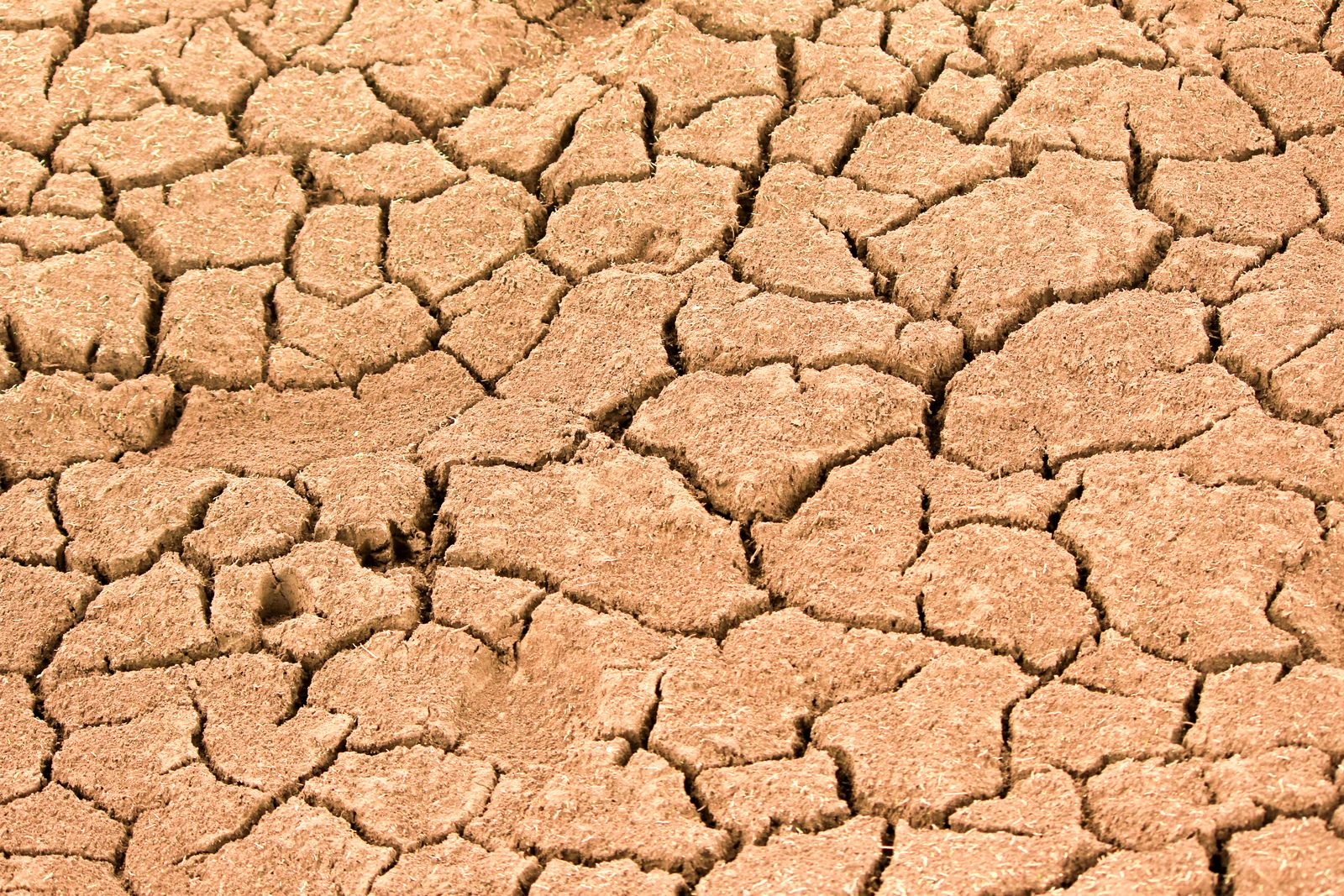

Once the world's fourth-largest lake, the Aral Sea has lost more than 90% of its surface area.
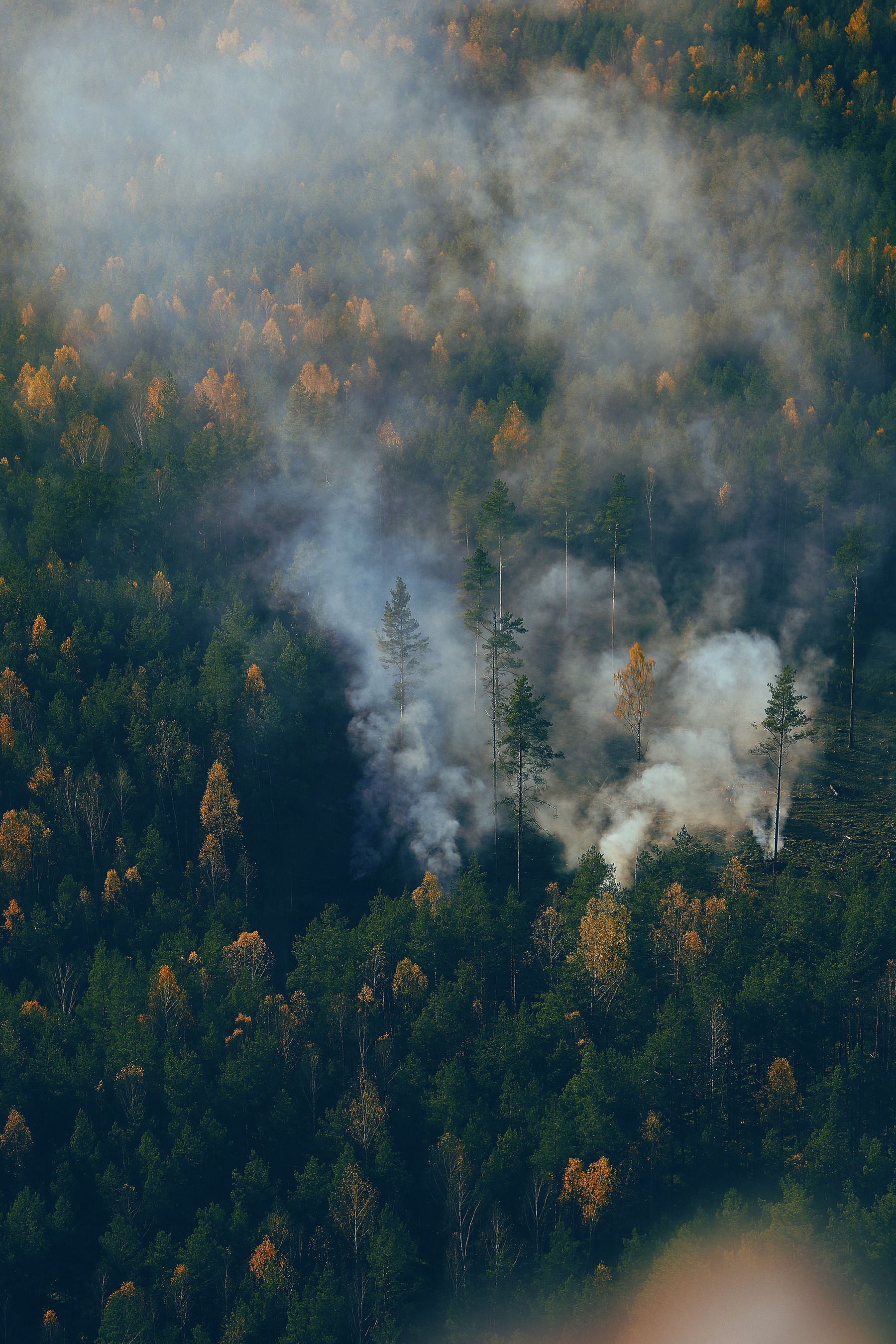
California Sierra Nevada
1995 → 2023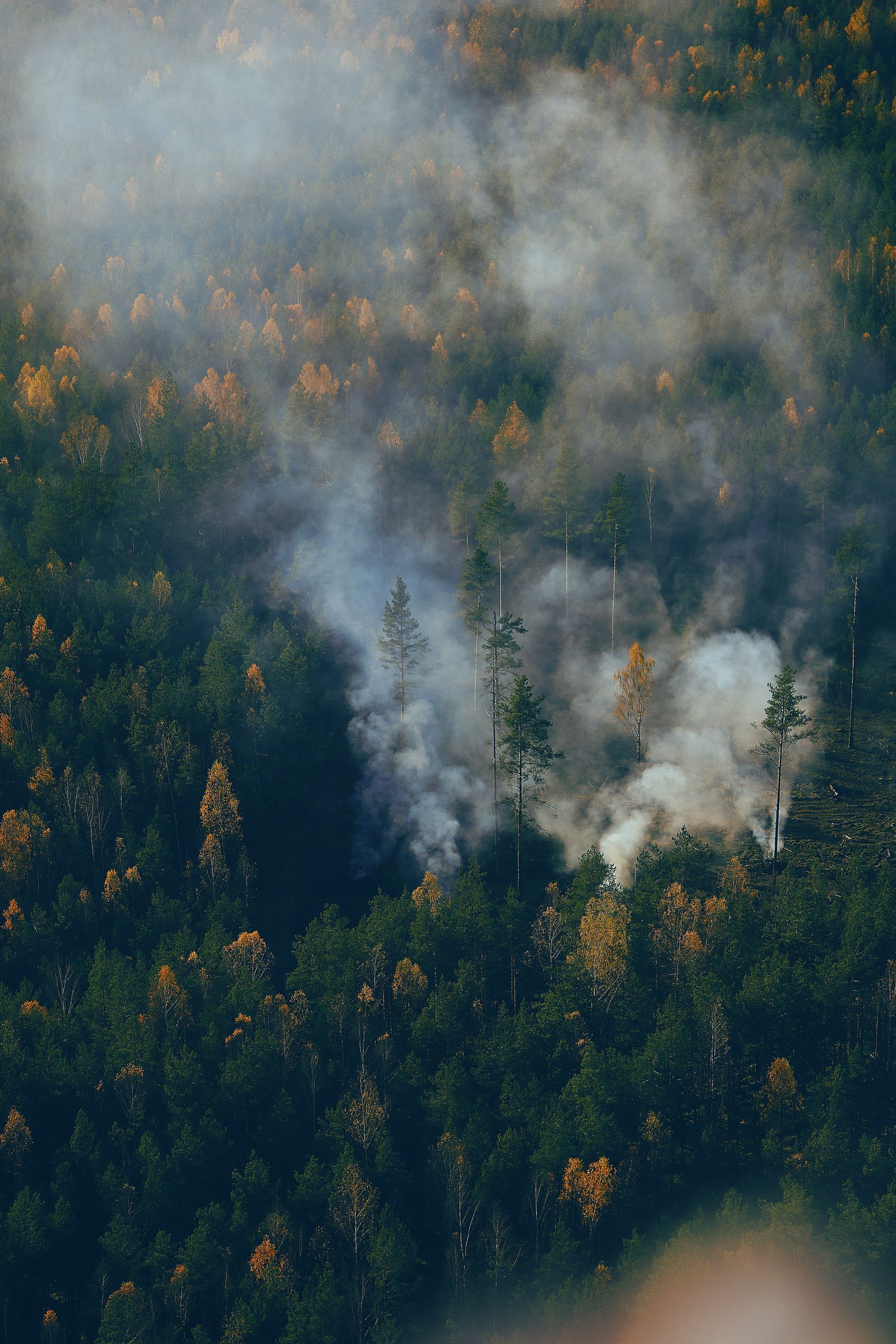

Wildfire seasons in California now start earlier and burn hotter — 5 of the largest fires on record occurred after 2020.
Science + citizens.
Some of the world's most valuable environmental records come from ordinary people paying attention to the world around them. NaturePulse combines:
- Scientific research
- Meteorological observations
- Satellite imagery
- Government datasets
- Historical records
- Academic publications
- Community photography
- Wildlife sightings
- Local weather observations
- Citizen science contributions
Together, these sources create a richer picture than any one source could provide alone.

Different views. One planet.
Climate change is experienced differently around the world.
- Mountain communities notice changing snow seasons.
- Coastal communities observe shoreline changes.
- Farmers monitor rainfall and growing seasons.
- Birdwatchers notice shifts in migration.
- Divers observe coral reefs.
- Hikers document changing glaciers.
- Urban residents experience heat islands.
By preserving these local observations, NaturePulse builds a global story from millions of individual experiences.
History is our teacher.
NaturePulse preserves environmental records so future generations can compare:
These comparisons help communities better understand how their local environment has evolved over time.

An open knowledge platform.
NaturePulse is designed as an open knowledge platform for:
- Families
- Students
- Teachers
- Researchers
- Journalists
- Environmental orgs
- Conservation groups
- Emergency planners
- Historians
- Photographers
- Nature enthusiasts
By bringing environmental information from around the world together, the platform supports education, encourages curiosity, and provides a valuable resource for exploring how weather, climate, and nature interact.
Knowledge is preparedness.
One of the most important reasons to preserve environmental history is to improve future preparedness. Historical records help communities:
Knowledge gained from the past can help inform decisions for the future.
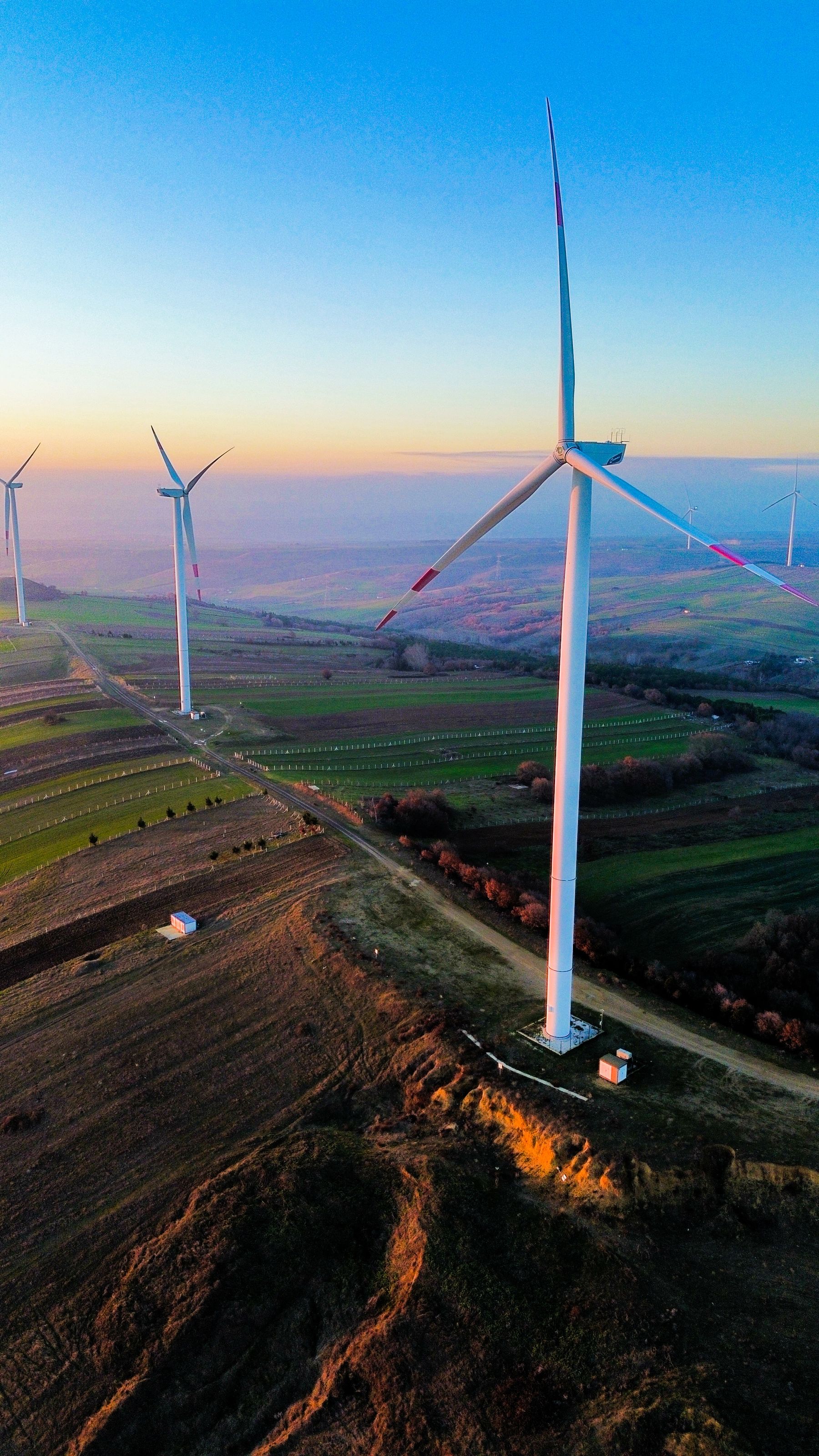
Nature belongs to everyone.
NaturePulse welcomes contributions from people everywhere. Share:
Every contribution becomes part of a growing environmental archive that future generations can explore and learn from.
Journalism
from the archive.
AI-generated editorials grounded in NOAA, NASA, and IPCC data — now streaming live, one word at a time.

For generations to come.
The landscapes we enjoy today are part of an ongoing story.
- The forests we walk through.
- The rivers that sustain communities.
- The mountains that shape our horizons.
- The oceans that connect continents.
- The changing seasons that define life across the planet.
These natural treasures deserve to be observed, understood, and preserved.
NaturePulse is creating more than a collection of weather reports or nature photographs. It is building a living environmental memory of Earth — a continuously growing record that helps people appreciate the beauty of the natural world, understand long-term environmental change, and preserve knowledge for generations to come.
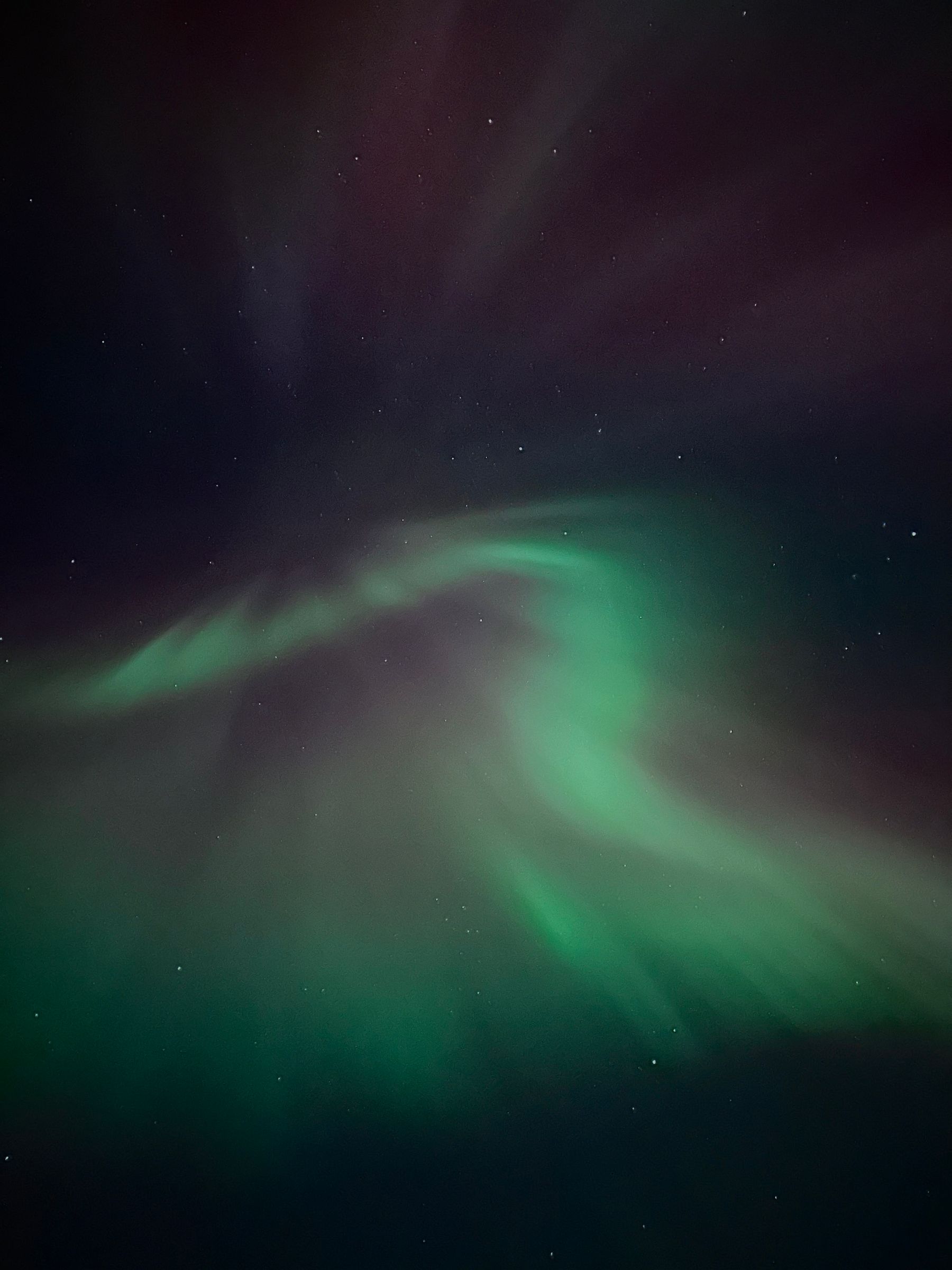
NaturePulse.
Observe Today. Understand Tomorrow. Preserve Earth's Living History.
Every observation matters. Every location has a story. Every season adds another chapter. Every generation has the opportunity to leave behind a richer understanding of the remarkable planet we all share.