Documenting the Living Planet, One Day at a Time
What if we could create a living diary of the planet?
Every day, something changes. A tree blooms. A flower disappears. A new bird arrives. A wetland dries. A stream rises after heavy rain. A farmer watches the sky and changes the day's work. A child discovers a plant they have never seen before. A storm passes through a neighborhood. A familiar tree is cut down. A new species appears in a place where nobody remembers seeing it before.
Most of these changes happen quietly. And most are never recorded.
NaturePulse.net is built around a simple idea: what if we started documenting our planet every day? Not just through satellites, scientific instruments and government monitoring stations, but through millions of people who live on the planet and experience nature where they are.
- A photograph.
- A location.
- A date.
- A few words.
- A weather observation.
- A comment.
- A question.
Together, these small observations can become something extraordinary: a continuously growing record of the living world.
Every Place Has a Story
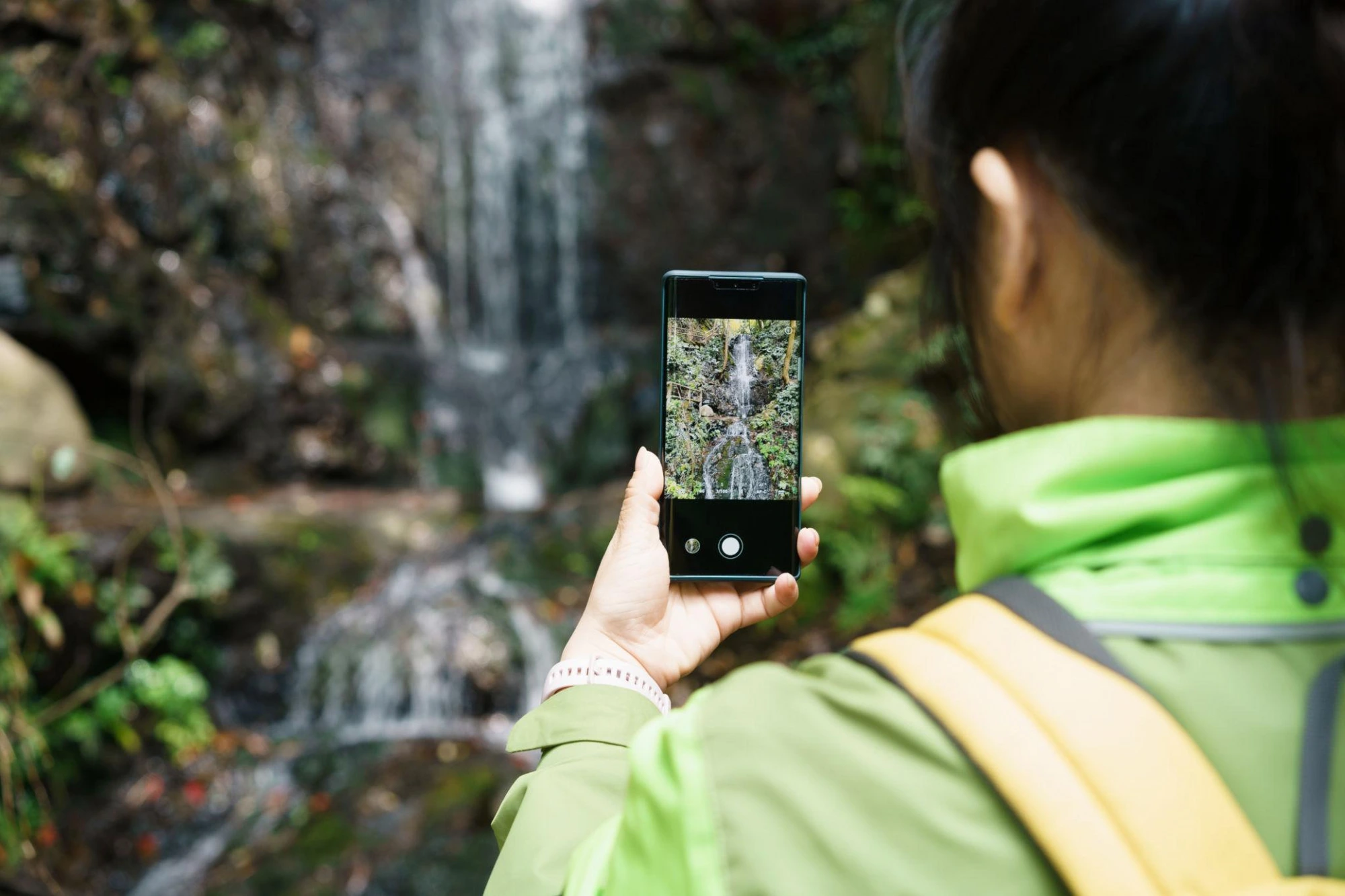
Imagine someone standing in their backyard today. They take a photograph of a flowering tree.
It may seem insignificant. But imagine that same thing happening 10,000 times a day, in 10,000 different places. Then imagine it happening for years.
“Suddenly, we have something incredibly valuable: a visual, geographic and chronological diary of our planet.”
Document Today's Weather
Weather isn't just a number on a phone. For millions of people, weather determines what they do today.
For a farmer, rain — or the absence of it — can determine whether a crop survives. For someone living near a river, today's rainfall may provide an early indication of tomorrow's water level. For people living in low-lying coastal areas, unusually high tides, heavy rain and storms can matter enormously. For outdoor workers, travelers, fishermen and communities vulnerable to extreme weather, knowing what is happening around them can be important.
Scientific weather stations provide essential measurements. But people can also document what they actually experience on the ground.
- A photograph of a flooded street.
- A note about an unusually strong wind.
- The first snowfall.
- The arrival of monsoon rain.
- An unusually dry stream.
- A field that has become waterlogged.
- A river that has risen.
- A neighborhood experiencing extreme heat.
These observations can provide valuable context around formal measurements. NaturePulse can become a place where ordinary observations become part of a larger environmental record. What is happening where you are today? Document it.
The Weather We Experience Matters
A weather station might report rainfall at one location. But conditions can vary dramatically a few miles away. One neighborhood may flood while another remains dry. One hillside may receive heavy rain while a nearby valley receives much less. One farmer may have standing water in a field while another is struggling with drought.
That's why geographically documented observations matter. When an observation includes a GPS location, date and time, it becomes more than a photograph. It becomes a point in a growing environmental map.
“Over time, those points can reveal patterns. And patterns can help us understand change.”
What Is Growing Where?
Now imagine something even more powerful. What if we could build a living map of the world's vegetation? Not just forests seen from satellites. Not just agricultural statistics. But actual observations from people:
Each observation can be connected to a location. Over time, NaturePulse could help build an extraordinary record of what grows where — and how that changes.
What Did We Lose?
This may become one of the most meaningful questions NaturePulse can help us ask. What used to grow here?
Many of us have photographs of places from our childhood. A tree that once stood outside a school. A forest that has become a housing development. A stream that used to run year-round. Wildflowers that no longer appear. Birds that were once common. Fruit trees that disappeared from a neighborhood. Plants that our grandparents knew but younger generations have never seen.
NaturePulse could help people document those memories and observations.
“What was here before? What is here now? What have we lost? And perhaps most importantly: what can we bring back?”
Can We Bring Nature Back?
Imagine discovering that a native plant once common in your region has disappeared from your neighborhood.
- You search NaturePulse.
- You discover photographs and observations from decades or years ago.
- You learn what the plant needs to grow.
- You discover that it still exists in another nearby region.
- You learn how it supports local insects, birds or other wildlife.
- Then you plant it in your garden. Your school plants it. Your community plants it.
- A few years later, someone photographs it again. Nature has returned.
This is the kind of connection we want to encourage. Not simply documenting loss — but using knowledge to inspire restoration.
Discover Something New
NaturePulse isn't only about scientists. It is for the curious. Especially children and students.
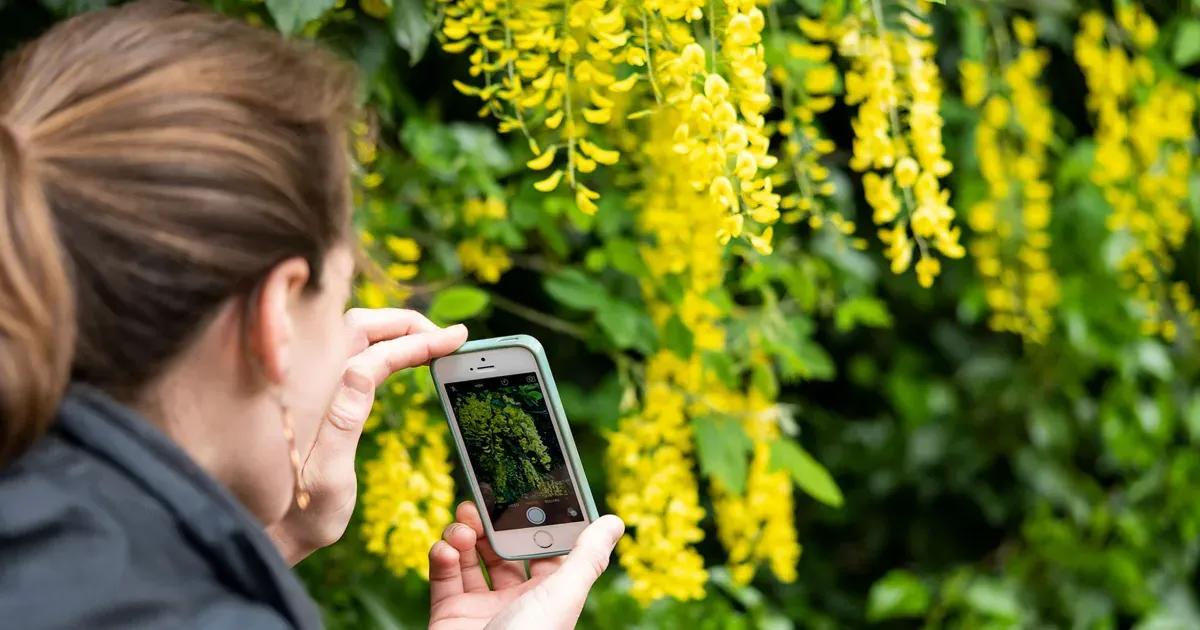
Imagine a child walking through a park and seeing a strange little flower. They take a photograph. They upload it to NaturePulse. They record where they found it. They ask: “What is this?”
They discover its name. They learn where it grows. They learn whether it is native. They learn what insects depend on it. They learn when it flowers. They learn how it reproduces. They discover that it is found in other parts of the world.
A five-minute observation becomes a science lesson.
And perhaps that child becomes interested in biology. Or ecology. Or agriculture. Or forestry. Or climate science. Or conservation. Or simply becomes someone who notices and cares about nature.
A Photograph Can Become Data
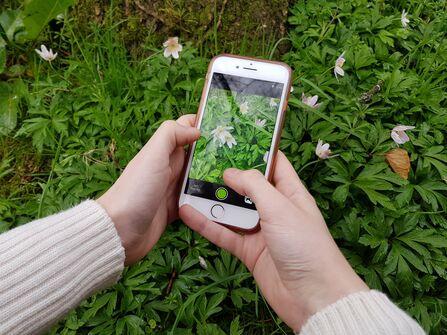
At the heart of NaturePulse is something wonderfully simple: take a photograph. Photographs can document:
- 🌳 Trees
- 🌿 Plants
- 🌺 Flowers
- 🍄 Fungi
- 🐦 Birds
- 🦋 Butterflies
- 🐝 Pollinators
- 🐾 Animals
- 🌊 Rivers
- 🏞️ Landscapes
- ☁️ Clouds
- 🌧️ Rain
- ❄️ Snow
- 🔥 Wildfires
- 🌾 Crops
- 🌱 Gardens
- 💧 Wetlands
Add: Where? When? What did you see? What did you notice? And you've created an observation.
Location Makes the Observation More Powerful
A photograph without a location tells us what something looked like. A photograph with a location tells us where. Add the date and time, and we know when. Add a short description, and we know what someone observed.
Now imagine millions of these observations. We can begin asking:
The individual photograph becomes part of a much larger picture.
The Planet Has a Daily Diary
We photograph our vacations. We photograph our families. We photograph our food. We photograph important events.
Why not photograph the place where we live? Take one photograph every day.
- The same tree. The same garden. The same river.
- The same coastline. The same field. The same mountain. The same street.
“After a year, you have a story. After ten years, you have a record. After generations, you have history.”
NaturePulse can help create a daily visual diary of our planet.
A Farmer's Observation Can Matter
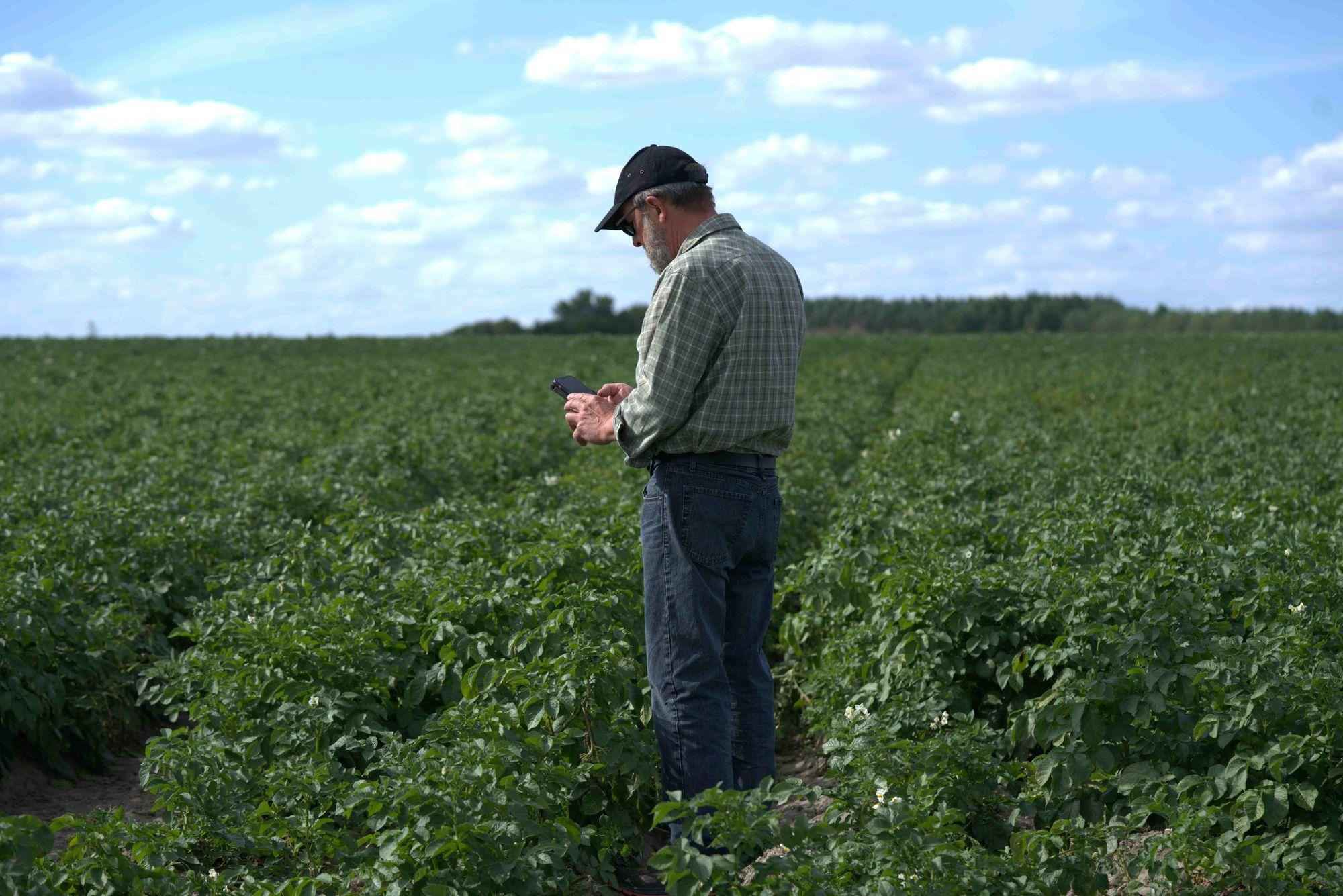
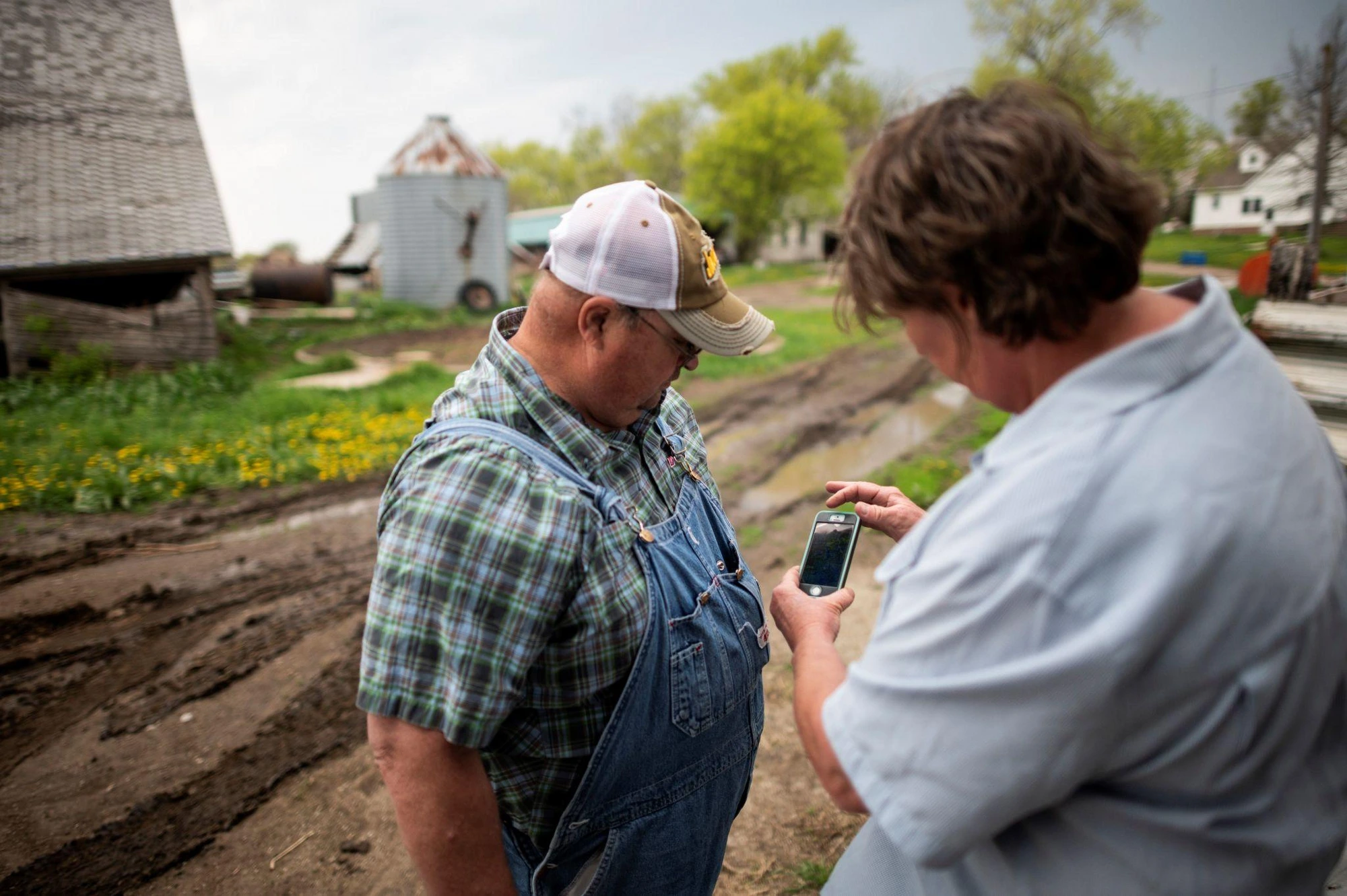
Farmers have always been observers of nature. They know when the rains arrive. They know when crops flower. They know when pests appear. They know when the soil becomes too dry. They know when birds return. They know when temperatures feel unusual.
Much of this knowledge is never formally recorded. NaturePulse can give farmers a simple way to document it.
- A photograph of a crop.
- A weather observation.
- A pest sighting.
- A flowering date.
- A rainfall observation.
- A note about soil conditions.
Over time, these observations can help create a richer picture of agricultural and environmental conditions. Traditional knowledge and modern technology can complement each other.
A Scientist's Observation Can Matter
Scientists need data. Long-term environmental records are especially valuable.
NaturePulse is not intended to replace scientific instruments or professional research. Instead, it can complement them by creating a large network of human observations and photographs.
A scientist may eventually be able to explore observations by:
- Location
- Date
- Species
- Weather
- Season
- Elevation
- Habitat
- Environmental condition
The platform could become a discovery layer connecting people with scientific inquiry.
A Classroom Without Walls
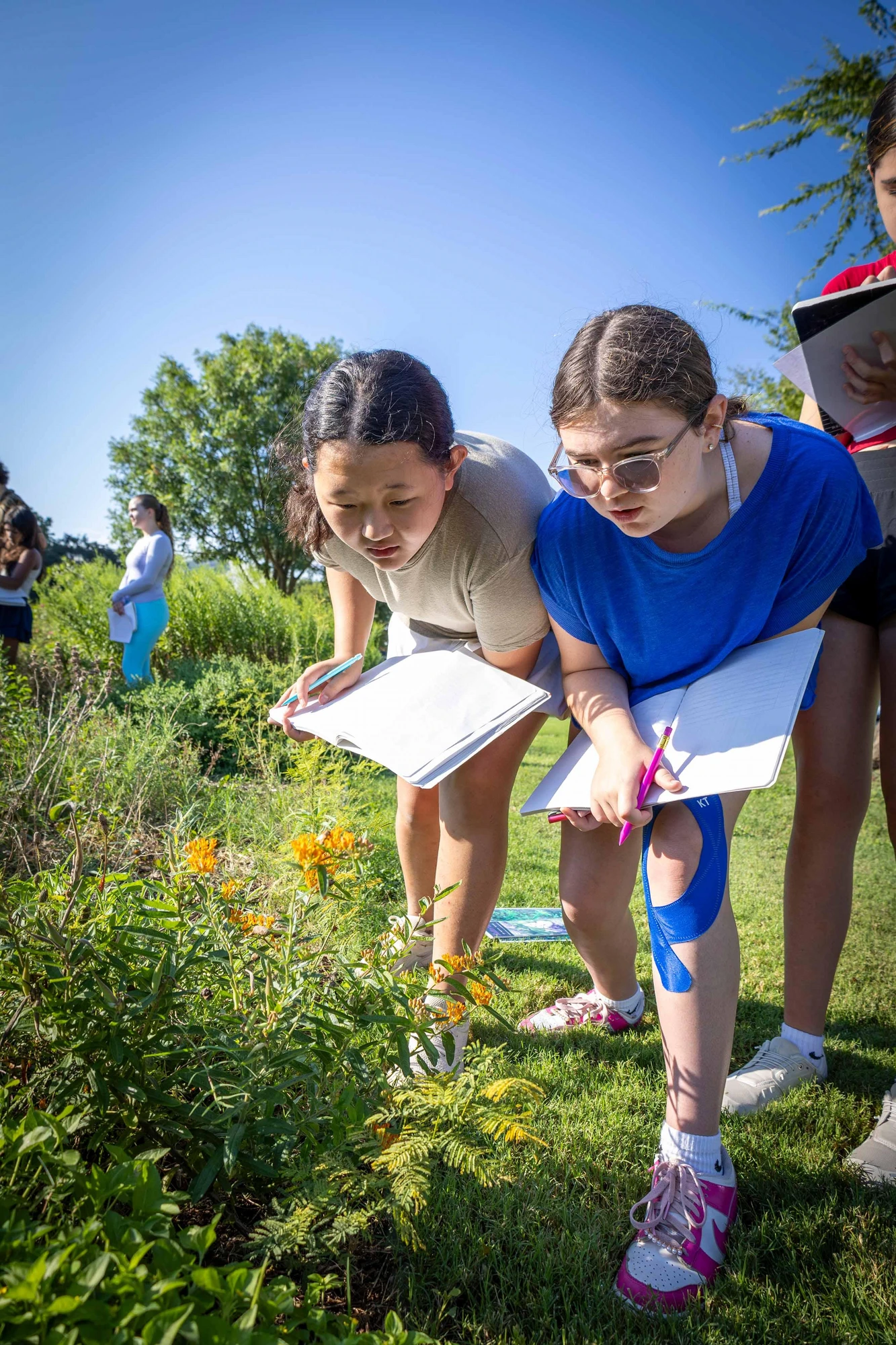
Imagine a school where students are asked: “Find five different plants growing within one kilometer of your school.”
They photograph them. Record their locations. Identify them. Research their origins. Learn which insects interact with them. Then compare their findings with students in another city.
A classroom in Kerala could compare observations with students in California. A student in Africa could compare rainfall observations with a student in India. A child in a city could discover the biodiversity hidden around their own neighborhood.
“Suddenly, the planet becomes the classroom.”
Learn About Nature. Love Nature.
There is an important connection between knowledge and care. It is difficult to love something we never notice. And it is difficult to protect something we don't understand.
When a child learns the name of a tree, that tree becomes more than “a tree.” It becomes something known. When someone discovers the bird that visits their garden every morning, they begin watching for it. When a family learns about a wetland near their home, they may begin to appreciate why it matters. When people understand where their food comes from, they may think differently about soil and water.
- 01Observation creates curiosity.
- 02Curiosity creates knowledge.
- 03Knowledge can create appreciation.
- 04Appreciation can create responsibility.
- 05Responsibility can lead to action.
We Are All Witnesses
The planet does not belong only to scientists. It belongs to all of us — and to generations that haven't been born yet.
Every person can become a witness.
- A farmer
- A student
- A teacher
- A photographer
- A gardener
- A traveler
- A parent
- A fisherman
- A hiker
- A scientist
- A child
- A grandparent
You don't need expensive equipment. Sometimes all you need is a phone, a few minutes and curiosity.
Document Problems, Too
NaturePulse should not only show beautiful nature. We should also document what is hurting it. Photograph:
- Plastic pollution
- Illegal dumping
- Polluted streams
- Dead fish
- Deforestation
- Erosion
- Destroyed wetlands
- Invasive plants
- Smoke
- Litter
- Damaged habitats
But these observations should be documented responsibly and, where possible, connected with reliable information and appropriate authorities or organizations. We cannot solve problems we refuse to see.
From Documentation to Restoration
The ultimate purpose isn't to create the world's largest collection of photographs. It is to create understanding and action.
A NaturePulse observation might eventually lead to:
- A student project.
- A scientific investigation.
- A community cleanup.
- A native garden.
- A restoration project.
- A farmer changing a practice.
- A school planting trees.
- A neighborhood protecting a wetland.
- A family learning about biodiversity.
- A community rediscovering a lost plant.
That's when documentation becomes meaningful.
Imagine NaturePulse 10 Years From Now
Imagine opening NaturePulse in 2036. You select your hometown. You see today's environment. Then you move the timeline backward.
You can see photographs of the same places. The same trees. The same rivers. The same fields. The same neighborhoods. You can see what changed.
- Some things disappeared.
- Some things returned.
- Some things flourished.
- Some new species arrived.
- Some old species came back.
“And because people documented it, the history wasn't lost.”
One Observation at a Time
No single person can document the entire planet. But millions of people can document their little piece of it.
- Your backyard
- Your farm
- Your school
- Your neighborhood
- Your forest
- Your river
- Your coastline
- Your community
- Your daily weather
- Your tree
- Your birds
- Your flowers
- Your observations
Put them together, and something remarkable happens. We begin to see the planet as a living, changing system rather than a static photograph.
NaturePulse Is an Invitation
We invite you to become an observer. Look outside.
Take a photograph. Add the location. Add the date. Write a few words. Ask a question. Share what you discovered. And come back tomorrow. Because tomorrow the planet will be slightly different. And someone should be there to document it.
Take a photograph. Mark the place. Tell the story. Learn what lives around you. Understand what is changing. Help future generations know the world we inherited — and the world we leave behind.
Know your nature. Love your nature. Protect your future.