Weather, nature & food news — from every credible source.
A living archive of environmental journalism from NASA, NOAA, WMO, FAO, IUCN, EPA, FDA, USDA, WHO, Mongabay, AccuWeather and topic-filtered Google News queries — one canonical record per event, links back to every original publisher.
 Illustrated External
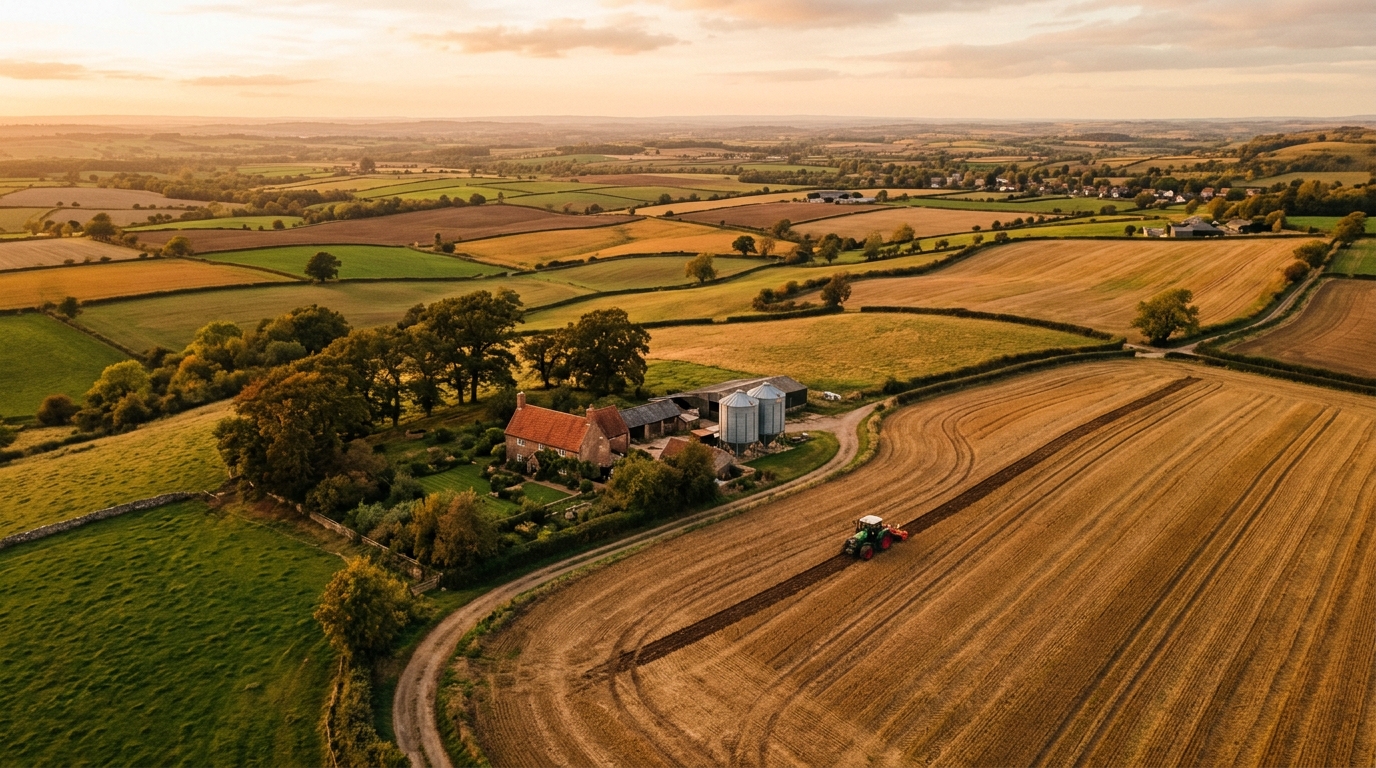
Formerly an apple orchard and nursery, The Farm 1893 in Berlin Heights now offers a place where people can get married, stay overnight and get together for other milestone occasions. - Sandusky Register
According to the Sandusky Register, a historic agricultural site in Berlin Heights has undergone a significant transition in land use. The property, known as The Farm 1893, formerly operated as a nursery and apple orchard for many years. It has now been repurposed into a multipurpose venue designed for weddings, overnight stays, and various milestone celebrations. This change reflects a broader trend of diversifying traditional farming properties to include hospitality and event services. While the site no longer functions primarily as a production orchard, the redevelopment preserves the rural character of the historic location. The transition allows the property to remain a community fixture while adapting to modern economic shifts in the region. This evolution highlights how legacy agricultural landscapes are being integrated into the local tourism and service sectors.
 Illustrated External
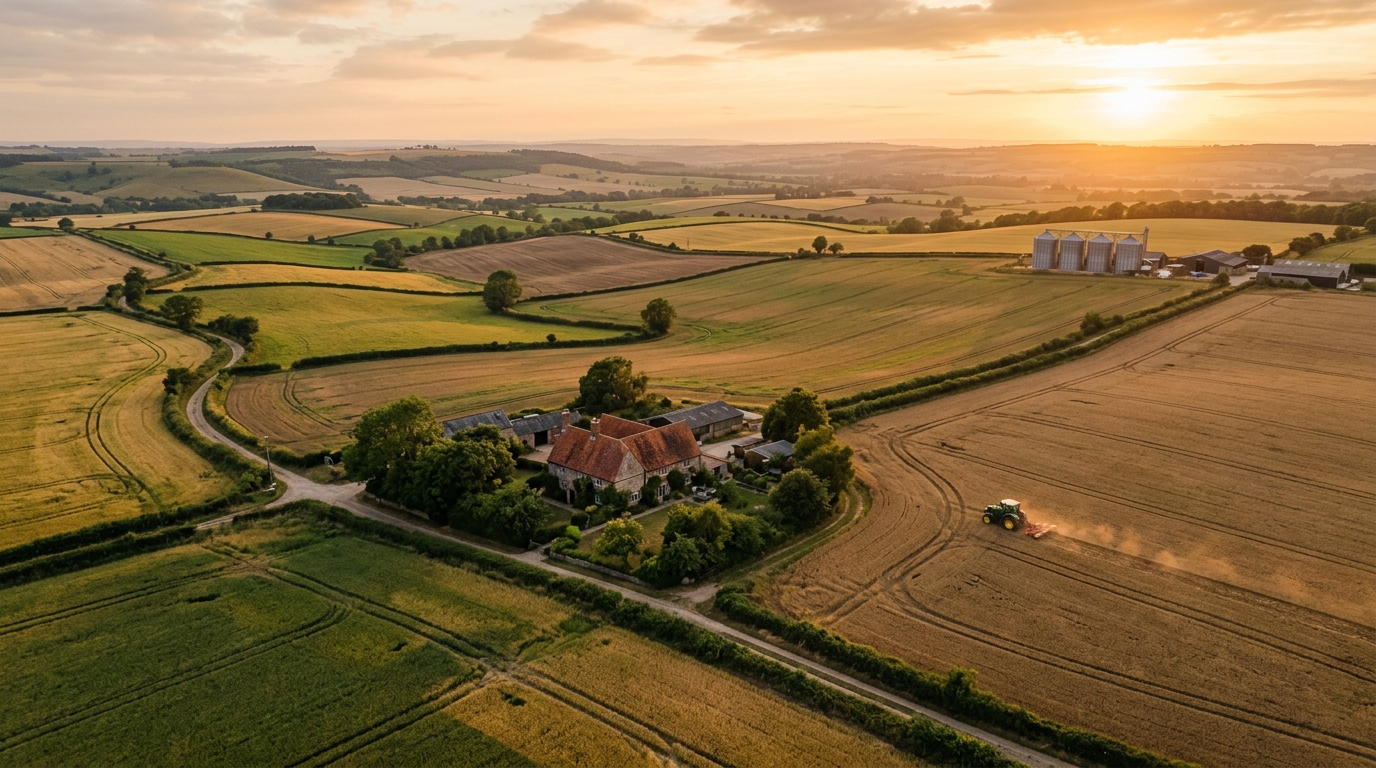
French Bordeaux in times of climate change - DW.com
The renowned wine-growing region of Bordeaux is currently navigating the complexities of a changing climate, as highlighted in a report by DW. For generations, this area of France has been defined by specific environmental conditions that are now being disrupted by shifting global weather patterns. According to the publication, these changes are prompting a re-evaluation of traditional viticultural practices to ensure the long-term survival of the industry. The focus remains on how the region can adapt to evolving temperatures and moisture levels while maintaining the standards that have historically defined its produce. The integration of new agricultural strategies is becoming a necessity as producers face the reality of a warming environment. This situation underscores the broader impact of global environmental shifts on localized agricultural economies and the cultural heritage tied to specific landscapes. Efforts to adapt highlight the ongoing tension between historical methods and the urgent need for climate-resilient farming techniques in one of the world's most famous viticultural zones.
Illustrated ExternalWooster farmer Alicia Bongue receives $50,000 sustainable agriculture grant - Your Ohio News
Alicia Bongue, a farmer operating in Wooster, Ohio, was recently awarded a $50,000 grant dedicated to sustainable agriculture. Your Ohio News reports that this financial injection is designed to facilitate farming methods that emphasize environmental stewardship. The allocation of these funds typically supports initiatives such as improving soil health, enhancing water conservation, or transitioning toward organic production standards. By providing direct support to individual producers, these programs aim to strengthen the resilience of local food systems against ecological challenges. This grant acknowledges the importance of integrating conservation-minded strategies into active agricultural operations. Supporting small-scale farmers in their transition to more sustainable models is a key component of regional environmental policy and land management. The award highlights the ongoing efforts in Ohio to balance food production with the preservation of natural resources. Why this matters: Financial support for sustainable farming allows local producers to adopt practices that improve ecosystem health, providing valuable real-world examples for citizen scientists monitoring soil and water quality.
 Illustrated External
Michigan launches project with crop insurance companies to reward regenerative farming - Michigan Public
The state of Michigan has introduced a new initiative that partners with crop insurance companies to promote regenerative farming practices. As reported by Michigan Public, the project is designed to offer incentives to agricultural producers who implement methods that improve soil health and environmental resilience. By collaborating with insurance providers, the program acknowledges that sustainable land management can reduce the financial risks associated with extreme weather and crop failure. This approach aims to bridge the gap between ecological conservation and the economic stability of the farming community. The initiative marks a significant step in integrating climate-smart agriculture into the mainstream financial structures of the state's food production system. Why this matters: This project demonstrates how economic incentives can drive large-scale adoption of sustainable land management, providing a framework for citizens to observe and document the transition toward more resilient local ecosystems.
Illustrated ExternalBeef production has been the largest driver of deforestation this century - ourworldindata.org
Data compiled by Our World in Data identifies beef production as the leading cause of global deforestation throughout the twenty-first century. While several agricultural commodities contribute to the loss of forest cover, the expansion of land for cattle grazing and feed production has had the most significant impact compared to other industries like palm oil or timber. This analysis indicates that the conversion of forests into pastureland is particularly prevalent in tropical regions, where vast tracts of biodiverse ecosystems are cleared to meet international demand for meat. The report emphasizes that the footprint of the livestock sector remains a critical factor in environmental degradation and carbon emissions. Addressing these drivers is central to global conservation efforts and the promotion of more sustainable food systems. By tracking these trends, researchers can better understand the relationship between consumer choices and the preservation of global forest resources.
Illustrated ExternalKentucky State research partners with farmers to improve soil health and crop production - The Lane Report
Kentucky State University is collaborating with local agricultural producers to enhance soil management and increase harvest yields. According to The Lane Report, this research partnership focuses on practical applications to improve the long-term health of the land. By working directly with farmers, the initiative aims to bridge the gap between academic findings and on-the-ground farming techniques. These efforts typically address nutrient management, erosion control, and sustainable cultivation methods. The program highlights the importance of cooperative research in maintaining food security and environmental stability within the region. This collaborative approach allows for real-time testing of soil health strategies across diverse Kentucky landscapes. Why this matters: Community-led data collection on soil quality helps farmers and researchers alike identify the best practices for preserving local ecosystems and ensuring resilient food systems.
Illustrated ExternalLocal residents receive sustainable agriculture grant - lacrossetribune.com
According to the La Crosse Tribune, a group of local residents has secured a grant dedicated to advancing sustainable agriculture within their community. This funding is intended to support projects that integrate environmentally conscious techniques into regional farming practices. While specific details of the grant’s scope were limited in the initial report, such financial incentives typically aim to improve soil health, conserve water, and reduce the ecological footprint of food production. The initiative underscores a growing movement to empower individual residents and small-scale producers to lead local environmental stewardship efforts. By transitioning toward sustainable models, these grant recipients can help demonstrate the feasibility of balancing agricultural productivity with land conservation. This investment highlights the role of community-level action in addressing broader environmental challenges and ensuring the long-term resilience of regional food systems.
Illustrated ExternalExtreme rainfall caused by climate change creates uneven risks to farming in China - Phys.org
According to Phys.org, climate change is driving an increase in extreme rainfall events across China, creating significant and uneven risks for the nation's agricultural sector. The research highlights that these intensified precipitation patterns do not affect all regions or crops equally, leading to a landscape of varying vulnerability. As global temperatures continue to rise, the frequency of heavy downpours is expected to grow, potentially threatening food security and the economic stability of rural farming communities. The study suggests that the disproportionate nature of these weather impacts requires targeted adaptation strategies and improved infrastructure to protect vulnerable areas. By identifying the specific regions most at risk, the findings aim to assist policymakers in developing more effective mitigation efforts against the unpredictable shifts in the hydrological cycle. Why this matters: Individual observations of local rainfall and soil moisture levels are vital for mapping the real-world impacts of extreme weather on crop health and helping communities build resilience.
Illustrated ExternalLocal woman receives sustainable agriculture grant - Grand Haven Tribune
According to the Grand Haven Tribune, a local resident has been awarded a grant to support sustainable agriculture initiatives. While specific project details were not provided in the brief announcement, such funding typically aims to enhance environmentally friendly farming practices, improve soil health, and promote local food security. Sustainable agriculture grants often focus on reducing chemical inputs, implementing water conservation techniques, and fostering biodiversity within agricultural landscapes. This recognition highlights the growing support for farmers and producers who prioritize ecological balance alongside food production. By securing these resources, local agriculturalists can transition toward methods that mitigate the impacts of climate change and preserve natural resources for future generations. The award underscores a regional commitment to advancing sustainable food systems and supporting the individuals dedicated to refining these essential practices within the community.
Illustrated ExternalRegenerative Farming Outpaces Tech-Based Carbon Capture Solutions in First Large-Scale Systemic Study - GlobeNewswire
A comprehensive systemic study reported by GlobeNewswire indicates that regenerative farming practices are more effective at capturing carbon than current technological carbon removal solutions. This research represents the first large-scale analysis to directly compare biological soil-based sequestration with mechanical capture technologies. The findings suggest that natural land management techniques, which prioritize soil health and ecosystem restoration, offer a more efficient path toward reducing atmospheric greenhouse gases. According to the report, these biological methods outpaced high-tech engineering approaches in terms of overall carbon sequestration capacity. The study highlights a shift in scientific focus toward traditional but improved agricultural methods as a primary tool for climate change mitigation. By leveraging the natural capacity of soil to act as a carbon sink, the agricultural sector may provide a more scalable and immediate solution than emerging industrial carbon capture machinery. Why this matters: Monitoring local farm transitions allows citizen scientists to document the real-world application and effectiveness of these superior natural carbon sequestration methods.
Illustrated ExternalRainfall Shortfall Threatens India's Rice Harvest - Devdiscourse
India's agricultural sector is currently facing challenges as a deficiency in seasonal rainfall threatens the upcoming rice harvest, according to reports from Devdiscourse. Rice remains a critical crop for the nation’s food security and economy, but its cultivation is deeply dependent on the timing and volume of monsoon rains. The current shortfall in precipitation across major growing regions has raised concerns regarding a potential drop in total yield. Agricultural experts suggest that if the dry conditions persist during the grain-filling stage, the quality and quantity of the harvest could be compromised. This lack of water is particularly impactful in areas without robust artificial irrigation infrastructure. The situation underscores the continued sensitivity of staple grain production to annual weather variability. Authorities and farmers are monitoring the atmospheric conditions closely to assess the likely impact on the year’s final production figures and domestic supply.
Illustrated ExternalSoil Health in Organic Production Shows Greater Resilience to Climate Change than Chemical-Intensive Agriculture - beyondpesticides.org
Beyond Pesticides reports that organic agricultural systems demonstrate higher levels of resilience against climate change compared to farms utilizing chemical-intensive methods. The publication highlights how soil health serves as a critical buffer against environmental stressors. By avoiding synthetic fertilizers and pesticides, organic production fosters more robust microbial ecosystems and improved soil structure. These healthy soils are better equipped to handle extreme weather events, such as droughts or heavy rainfall, which are becoming more frequent due to shifting climate patterns. The findings suggest that transitioning away from chemical-heavy practices could be a vital strategy for long-term food security and environmental stability. While chemical agriculture often relies on external inputs to maintain yields, the study emphasizes that organic methods prioritize the natural capacity of the earth to sustain productivity under pressure. This shift in management focuses on building organic matter and biodiversity below the ground. Why this matters: Citizen observations of soil quality and crop health in local gardens can provide valuable data on how different cultivation methods withstand changing weather patterns.
Illustrated ExternalDrought, extreme heat impact Northeast Arkansas rice and soybean growers - K8 News | Jonesboro, Arkansas
In Northeast Arkansas, the agricultural community is contending with the dual pressures of severe drought and intense heat. According to K8 News, these environmental conditions are significantly impacting major regional crops, specifically rice and soybeans. Producers are experiencing increased operational difficulties as they attempt to maintain crop health through intensive irrigation. However, the extreme temperatures often exceed the threshold for optimal plant growth, even when water is provided. The lack of natural precipitation has led to a heavy reliance on local aquifers, raising concerns about long-term water sustainability and increased energy costs for pumping. As the season progresses, agricultural experts are closely monitoring the resilience of these staples against the ongoing dry spell. The combination of thermal stress and moisture deficit poses a threat to final harvest volumes and quality across the region. Why this matters: Local observations of crop development and soil moisture levels are essential for identifying early signs of agricultural stress and informing water management strategies during periods of extreme heat.
Illustrated ExternalBishop’s University plans new farm building for Sustainable Agriculture and Food Systems program - The Pulse of the Eastern Townships
Bishop’s University is moving forward with plans to construct a new farm building dedicated to its Sustainable Agriculture and Food Systems program. According to The Pulse of the Eastern Townships, this development is designed to support the university's practical and academic initiatives within the agricultural sector. The new infrastructure will provide a specialized environment for students and researchers to study ecological farming techniques and localized food systems. By establishing this facility, the institution aims to enhance hands-on learning opportunities that focus on sustainable land management and food security. The project underscores a broader educational trend toward integrating physical farming operations with environmental research to address modern agricultural challenges. This facility will serve as a central point for the program's activities in the Eastern Townships region, facilitating deeper engagement with the local landscape.
 Illustrated External
Affinor Growers Inc. Appoints Dr. Hyder Khoja, Biotechnology and Sustainable Agriculture Innovator, as an Advisor to the Company - TMX Newsfile
Affinor Growers Inc. has announced the appointment of Dr. Hyder Khoja as a new advisor to the company, according to TMX Newsfile. Dr. Khoja is recognized for his expertise in biotechnology and sustainable agricultural practices. His role is expected to support the company’s efforts in developing innovative solutions for the agriculture sector. As an innovator in the field, Dr. Khoja brings experience that bridges the gap between scientific advancement and practical farming applications. Affinor Growers focuses on vertical farming technology and sustainable production methods, areas where biotechnological insights are increasingly critical. This strategic appointment highlights the growing integration of advanced science into commercial food production systems. By leveraging Dr. Khoja’s background, the organization aims to refine its sustainable growing processes and enhance resource efficiency. This move reflects a broader trend in the industry toward utilizing specialized scientific expertise to address food security and environmental challenges. Why this matters: Tracking professional expertise in agricultural technology helps citizens understand how scientific innovations are being implemented to improve the sustainability and efficiency of local food systems.
Illustrated ExternalTwo USDA Corn Yield Cuts Say Less About the Final Than Traders Think - stonex.com
According to a report from StoneX, market participants may be over-interpreting recent downward adjustments to corn yield forecasts by the United States Department of Agriculture (USDA). Although two consecutive cuts to yield estimates often trigger concerns about a diminishing harvest, historical data suggests these early revisions are not always reliable indicators of the final production volume. The analysis points out that late-season weather and maturing conditions can shift outcomes in ways that initial market reactions do not anticipate. StoneX notes that traders often focus on the direction of these revisions rather than the broader context of the growing season. Ultimately, the final harvest figures can diverge significantly from early-season trends, suggesting that preliminary USDA data should be viewed as one of many variables rather than a definitive forecast. Why this matters: Individual observations of crop health and local climate conditions help validate or challenge broad national forecasts, offering a more nuanced view of food security and agricultural productivity.
Illustrated ExternalUrban kitchens driving demand for India's native spices - DW.com
According to reports from DW.com, a significant shift in consumer behavior within India's urban centers is revitalizing the cultivation of indigenous spices. Urban households are increasingly moving away from standardized, mass-produced seasonings in favor of native varieties known for their distinct flavors and traditional properties. This change in demand is encouraging agricultural communities to return to heritage farming practices and cultivate seeds that were previously at risk of being replaced by industrial monocultures. By prioritizing these local varieties, consumers are supporting regional biodiversity and providing a more stable income for small-scale farmers who specialize in heirloom crops. DW.com highlights that this trend reflects a growing interest in the provenance and quality of food among the urban population. The resulting economic incentive helps protect agricultural heritage and ensures that unique genetic strains of various spices remain viable within the ecosystem. This movement towards localized food systems demonstrates how urban market trends can directly influence environmental conservation and rural livelihoods.
Illustrated ExternalMeet Tanishka Aglave, the 17-year-old Valrico, Florida student who built a curry leaf treatment, steam sy - The Times of India
Tanishka Aglave, a 17-year-old student from Valrico, Florida, has developed an innovative method to combat a significant agricultural threat. According to The Times of India, Aglave designed a specialized steam treatment system specifically for curry leaf plants, which are susceptible to the same bacteria that cause citrus greening disease. This condition, also known as Huanglongbing, has devastated citrus groves globally, particularly throughout the state of Florida. The student's invention uses controlled steam to target pathogens without destroying the host plant. By focusing on curry leaf trees, which are often overlooked in mainstream citrus research, her work offers a potential new avenue for managing the spread of this destructive disease. Her project demonstrates how localized engineering solutions can address broad ecological and agricultural challenges. The research provides a scalable model that could eventually be adapted for commercial citrus production to help stabilize affected food sectors.
Illustrated ExternalWhy COP30 Brazil Could Redefine Agriculture’s Role in the Climate Agenda - Farmnews
Farmnews reports that the upcoming COP30 summit in Brazil is positioned to be a pivotal moment for global agricultural policy. As the host nation, Brazil intends to elevate the discussion regarding how farming practices contribute to and mitigate climate change. Historically, international climate negotiations have focused heavily on energy and transport, but COP30 aims to integrate food production into the core climate agenda. The discussions are expected to cover sustainable land management, carbon sequestration in soils, and the reduction of greenhouse gas emissions from livestock and crops. By bringing agriculture to the forefront, the summit seeks to balance environmental preservation with global food security needs. According to Farmnews, this transition could redefine how international frameworks account for the environmental impact of the agricultural sector. Why this matters: Observing local changes in soil health and crop resilience can provide essential data for global policy shifts toward sustainable food systems.
Illustrated ExternalKeeping the “Farm” in the Farm Safety Net - National Sustainable Agriculture Coalition
According to the National Sustainable Agriculture Coalition, there is a critical need to reform federal agricultural safety nets to better support small and mid-sized farming operations. The organization suggests that current crop insurance and subsidy structures often favor large-scale industrial producers, which can marginalize smaller growers who utilize diverse and sustainable methods. By refining these financial protections, the coalition argues that the agricultural sector can become more resilient against environmental and economic volatility. The discussion focuses on ensuring that federal support encourages conservation efforts and maintains the viability of family-owned farms. Strengthening the safety net for a broader range of producers is seen as a vital step toward securing long-term food security and rural economic stability. Why this matters: Monitoring local farm health and shifting crop patterns helps citizens provide ground-truth data on how federal policy and climate resilience programs impact the diversity of their regional food systems.
Illustrated ExternalVideo: Owner Kailie Carter-Nolan talks about Wildflower Creek Flower Farm in Union Springs - auburnpub.com
According to a report from auburnpub.com, Wildflower Creek Flower Farm in Union Springs has become a local point of interest for sustainable floriculture. Owner Kailie Carter-Nolan discusses the operations and seasonal growth at the farm, which focuses on providing fresh, locally grown blooms to the community. The farm represents a trend in small-scale agricultural businesses that prioritize biodiversity and seasonal availability over mass-produced floral imports. By cultivating a variety of wildflower species and traditional garden flowers, the enterprise supports local pollinators and provides a habitat for various insects. Carter-Nolan’s insights highlight the dedication required to manage a specialty crop farm and the importance of connecting consumers with the source of their plants. Such local farms often serve as educational hubs where the public can learn about plant life cycles and the environmental benefits of supporting regional agriculture. This story illustrates how local agricultural spaces offer citizen scientists and nature enthusiasts accessible locations to monitor plant health, seasonal phenology, and pollinator activity within their own communities.
Illustrated ExternalInside the Soil Health Practices of the David Brandt Farm - ocj.com
The Ohio Country Journal explores the specific agricultural techniques employed on the David Brandt farm, a site renowned for its pioneering work in soil conservation. The farm focuses on regenerative practices, such as no-till farming and the strategic use of diverse cover crops, to improve soil structure and biological activity. According to the publication, these methods aim to restore natural nutrient cycles and increase the soil's ability to hold water, which reduces the need for synthetic inputs. By observing the long-term impacts of these practices, the farm demonstrates how agricultural management can shift from a chemical-dependent model to one that leverages natural processes. These efforts contribute to greater landscape resilience against extreme weather and provide a model for sustainable food production. Why this matters: Monitoring local soil conditions and plant health allows citizens to observe the real-world impact of regenerative practices on ecosystem stability and biodiversity.
Illustrated ExternalWildflower strips versus organic farming - EurekAlert!
According to EurekAlert!, a comparative analysis explores the differences between implementing wildflower strips and practicing organic farming. Wildflower strips are specific areas of land dedicated to native vegetation within or around agricultural fields, intended to support insects and birds. Organic farming involves broader management changes across the entire farm to promote ecological balance. This report looks at how these two methods compare in terms of their impact on local ecosystems and agricultural productivity. By evaluating these strategies, the study clarifies which interventions might best serve conservation goals in rural areas. The research highlights the complexities of integrating nature-friendly practices into food production systems. This comparison helps scientists and land managers decide on the most efficient ways to protect biodiversity in farming regions. Such findings are essential for understanding the trade-offs involved in various sustainable agriculture techniques. Why this matters: Understanding the effectiveness of specific habitat interventions like wildflower strips helps citizen observers identify and document the presence of pollinators in different agricultural settings.
Illustrated ExternalSustainable agriculture: A key to resilience in emerging markets - S&P Global
S&P Global reports that sustainable agriculture is a fundamental component for building resilience in emerging markets. The organization highlights that as global climate patterns become more unpredictable, developing nations must adapt their farming techniques to protect both food supplies and economic stability. By integrating sustainable practices, these markets can better manage risks such as soil degradation and water shortages. The report indicates that prioritizing long-term environmental health over immediate production gains allows agricultural systems to recover more effectively from environmental stressors. Furthermore, S&P Global suggests that the shift toward sustainable methods provides a safeguard for local communities whose livelihoods are tied to the land. This transition is framed as a strategic move to ensure that emerging economies remain competitive and stable amidst increasing environmental challenges. Adopting such measures is seen as essential for securing the future of global food systems and maintaining investor confidence in regional agricultural sectors.