Weather, nature & food news — from every credible source.
A living archive of environmental journalism from NASA, NOAA, WMO, FAO, IUCN, EPA, FDA, USDA, WHO, Mongabay, AccuWeather and topic-filtered Google News queries — one canonical record per event, links back to every original publisher.
 Illustrated External
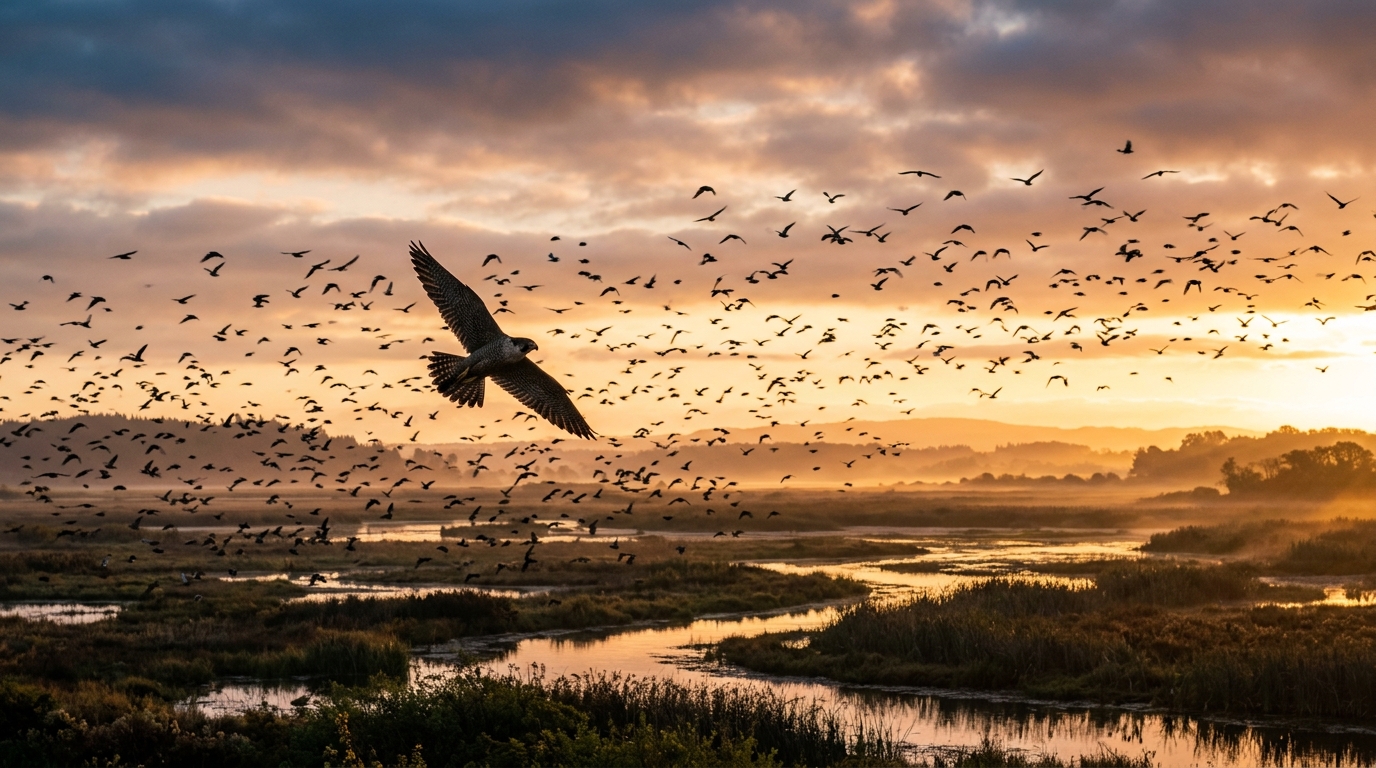
What to plant now to help backyard birds survive this winter - The Washington Post
The Washington Post highlights the importance of seasonal gardening to support avian wildlife during the upcoming winter months. According to the report, autumn is an ideal time for residents to establish plants that provide both nourishment and protection for backyard birds when temperatures drop. By focusing on vegetation that offers natural food sources and cover, individuals can help local species survive periods of resource scarcity. This proactive approach to landscaping encourages a shift toward more sustainable, habitat-oriented gardening practices. The Washington Post indicates that these efforts contribute to the overall health of local ecosystems by ensuring birds have the necessary tools for winter resilience. Homeowners are advised to view their outdoor spaces as functional refuges that play a role in broader conservation efforts.
Illustrated ExternalDrought devastated wading bird nesting season in Everglades National Park - WUSF
According to reports from WUSF, Everglades National Park experienced a challenging nesting season for wading birds due to persistent drought conditions. The lack of adequate water levels across the marshlands disrupted the delicate timing and resource availability necessary for successful avian breeding. Wading birds typically rely on specific water depths to concentrate prey and provide a barrier against terrestrial predators. When these wetlands dry out prematurely, adult birds often struggle to find enough food for their offspring, leading to lower survival rates or the abandonment of nesting sites. The reporting suggests that the severity of the dry spell has had a measurable impact on the seasonal population growth of various species throughout the park. This event underscores the critical relationship between hydrological stability and the health of South Florida's unique ecosystems. Tracking these trends is essential for ongoing conservation efforts in the region. Why this matters: Local observations of bird behavior and habitat changes help scientists track the immediate impacts of climate-driven drought on vulnerable wildlife populations.
 Illustrated External
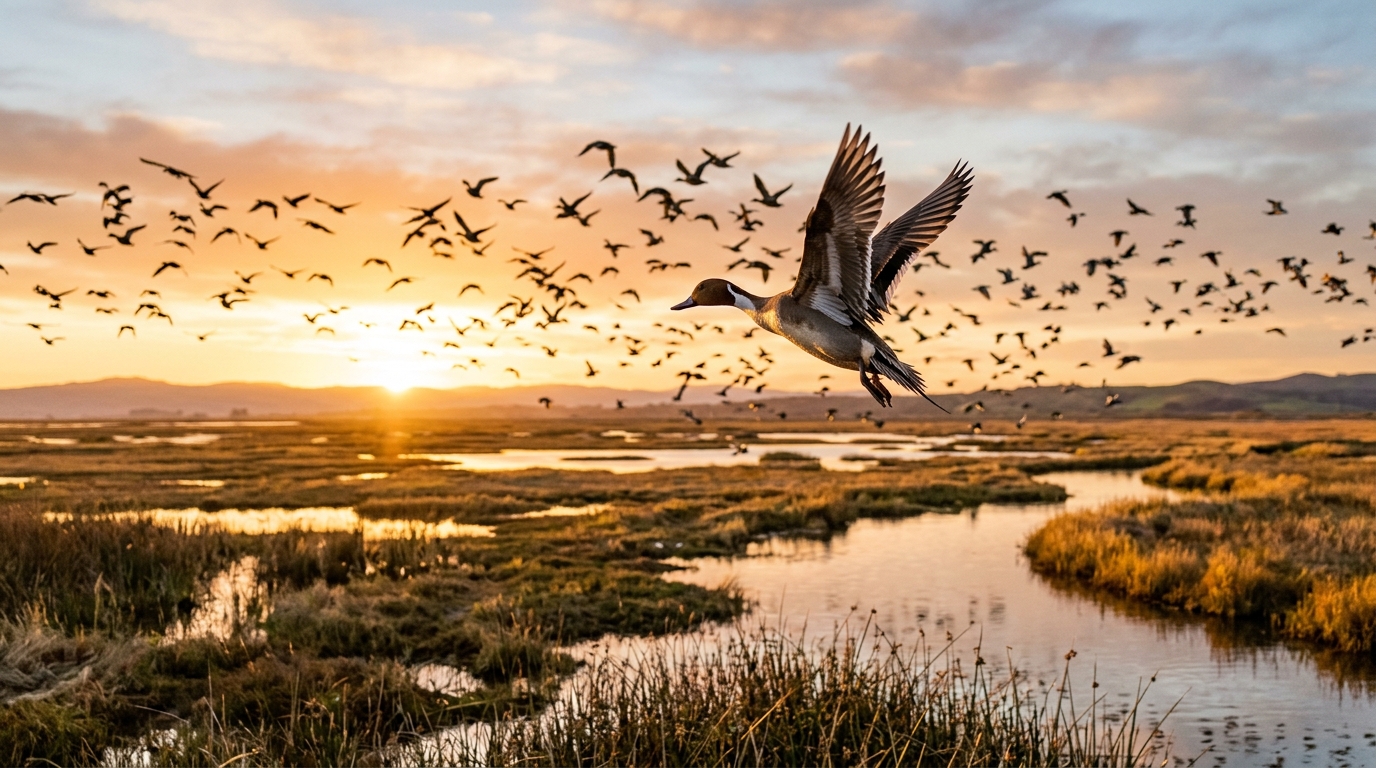
Utah sends over 3 billion gallons to Great Salt Lake just as fall bird migration peaks - The Cool Down
According to reports from The Cool Down, Utah officials have directed more than 3 billion gallons of water into the Great Salt Lake. This significant influx of water occurs at a critical ecological moment, as fall bird migration is currently reaching its peak. The Great Salt Lake serves as a vital stopover point for millions of migratory birds that rely on its saline waters and surrounding wetlands for food and rest during their seasonal journeys. By increasing water levels, the state aims to preserve these essential habitats and maintain the brine shrimp and fly populations that sustain visiting avian species. This management action reflects ongoing efforts to address the historical decline of the lake's water levels, which have previously reached record lows. Ensuring sufficient water volume is necessary to prevent the exposure of toxic dust from the dry lakebed and to protect the regional ecosystem's biodiversity. Why this matters: Citizen observations of migratory bird numbers and arrival times help researchers evaluate the effectiveness of water management strategies in maintaining critical stopover habitats.
 Illustrated External
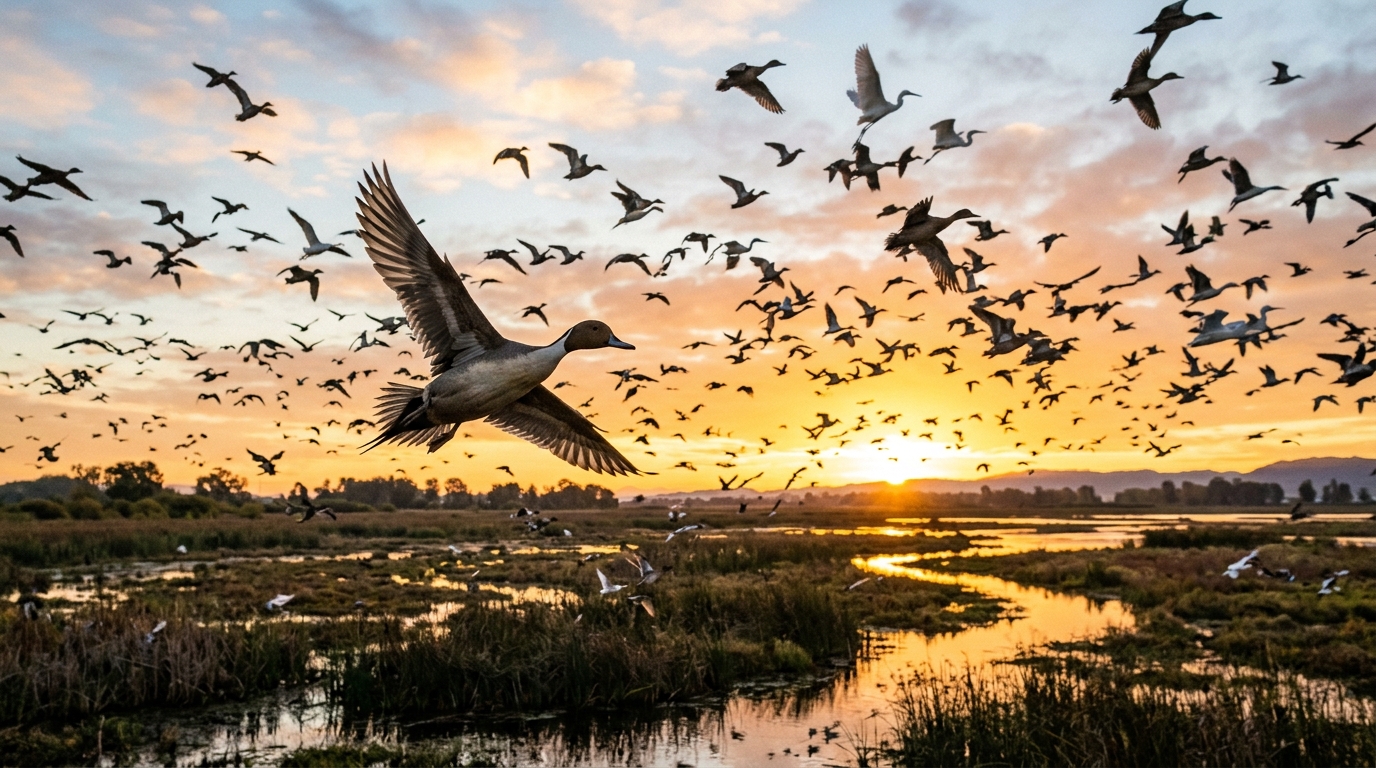
This Maine point is a front-row seat to a massive bird migration happening now - Bangor Daily News
The Bangor Daily News reports that a significant migratory event is currently taking place across the state of Maine. Specifically, certain coastal points are serving as prime viewing locations for witnessing large numbers of birds as they move through the region. This seasonal phenomenon is currently at a peak, offering a unique perspective on the scale of avian travel during this time of year. According to the publication, the geographic positioning of these Maine locations provides a concentrated view of the migration, which is described as a massive movement of wildlife. This event highlights the importance of the state’s coastal geography in supporting migratory pathways. Observers are encouraged to take advantage of these natural vantage points to see the transition firsthand. This Maine point is a front-row seat to a massive bird migration happening now. Why this matters: Monitoring the timing and volume of bird migrations helps citizen scientists track the health of avian populations and the ecological stability of vital coastal flyways.
Illustrated ExternalStop touching birds, St. Louis County says, after 2 avian flu cases confirmed in Ballwin - STLtoday.com
St. Louis County health officials have issued a public warning advising residents to avoid physical contact with birds following the confirmation of two avian influenza cases in Ballwin. According to reporting from STLtoday.com, local authorities are urging the public to exercise caution around both wild and domestic fowl to prevent further transmission of the virus. The detection of these cases highlights the ongoing risk of highly pathogenic avian influenza within local bird populations. Officials emphasize that handling sick or deceased birds can increase the risk of zoonotic spread, even if the current threat to the general public remains low. Residents are encouraged to report sightings of clusters of ill or dead birds to wildlife management agencies rather than intervening personally. This precautionary measure is part of a broader effort to monitor and contain the virus as it moves through regional migratory pathways. Why this matters: Public reporting of unusual bird behavior or deaths provides critical early-warning data for health officials to track the spread of avian diseases in local ecosystems.
Illustrated ExternalAct now to reduce winter avian flu risk, CVO warns - Vet Times
Chief Veterinary Officers are calling for immediate action to mitigate the risk of avian influenza as winter approaches, according to Vet Times. The warning emphasizes the importance of implementing robust biosecurity measures to protect poultry and other captive birds from the disease. This seasonal alert typically aligns with the migration of wild birds, which can carry the virus and introduce it into new areas. The Vet Times reports that early preparation is essential for reducing the likelihood of infection within domestic flocks. Key measures usually include maintaining clean environments and restricting access to areas where wild birds may congregate. By taking these steps now, keepers can help prevent the spread of the virus during the high-risk winter months. These precautions are vital for safeguarding animal health and supporting the broader agricultural sector against potential outbreaks. Why this matters: Monitoring local wild bird behavior and reporting unexplained deaths helps health officials track the spread of avian influenza and protect both domestic poultry and wild biodiversity.
Illustrated ExternalRare flamingos caught on camera in Irgiz-Turgai Nature Reserve - Qazinform
According to Qazinform, researchers at the Irgiz-Turgai Nature Reserve have successfully documented the presence of rare flamingos using camera equipment. These sightings provide valuable visual evidence of the species utilizing the protected wetland habitats within the reserve. The documentation of these birds is a significant event for local conservationists, as it confirms that the area remains a viable environment for sensitive migratory species. The reserve, located in a region known for its vast steppe and water systems, serves as a critical stopover and breeding ground for various avian populations. By capturing these images, wildlife officials can better monitor the movement and health of the flamingo population, which often serves as an indicator of broader ecological stability. This recent observation underscores the importance of maintaining protected areas to support biodiversity and ensures that rare species continue to find refuge in their natural habitats during seasonal transitions.
Illustrated ExternalGlobal Warming: Hundreds of sick and dying birds washing up on Bay Area beaches. Here's why - ABC7 San Francisco
According to ABC7 San Francisco, wildlife experts are documenting an influx of sick and deceased birds along the San Francisco Bay Area shoreline. The phenomenon is being linked to broader environmental shifts associated with global warming, which frequently impact marine ecosystems. Rising ocean temperatures often lead to the depletion of standard food sources, leaving seabirds malnourished and more susceptible to disease. Additionally, warmer waters can stimulate the growth of toxic algal blooms that poison marine life. Local rescue centers report being stretched thin as they attempt to rehabilitate the high volume of affected animals. Residents are advised to monitor the coastline and contact professional responders if they encounter birds in distress. Why this matters: Citizen reports of grounded or ailing wildlife provide essential data that helps scientists monitor the immediate health of local ecosystems and the impact of climate-driven ocean changes.
Illustrated ExternalAvian flu - NonStop Local KHQ
According to a report from NonStop Local KHQ, avian influenza remains a significant concern for both wild bird populations and the agricultural sector. The presence of the virus necessitates ongoing surveillance by wildlife officials and health departments to track its spread across different habitats. Such outbreaks typically require poultry owners to implement strict biosecurity measures to protect domestic flocks from contact with migratory species that may carry the disease. Public health guidelines often suggest that individuals avoid direct contact with birds that appear ill or have died unexpectedly. Managing the impact of this virus involves a coordinated effort to monitor environmental changes and the movement of various avian species throughout the region. These reports serve as a reminder of the complex interactions between wildlife health and human interests. Why this matters: Citizen observations of abnormal bird behavior or unexplained die-offs are vital for providing early warnings to researchers tracking the spread of infectious diseases in the environment.
 Illustrated External
USDA notes more H5N1 avian flu on poultry farms - CIDRAP
According to reports from CIDRAP, the United States Department of Agriculture (USDA) has identified additional cases of H5N1 highly pathogenic avian influenza (HPAI) on poultry farms. This development underscores the ongoing pressure the virus exerts on the agricultural sector as federal authorities continue to monitor affected sites to contain the spread. Experts note that wild birds often serve as the primary vector for introducing the virus to commercial environments, making strict biosecurity protocols essential for producers to protect their flocks. While these outbreaks pose a significant threat to animal health and can lead to substantial economic losses, federal health officials maintain that the current risk to the general public remains low. The notification of these new cases reflects a broader trend of persistent viral circulation across North American flyways. Why this matters: Monitoring avian influenza in domestic settings provides crucial data on how viral trends in wild bird populations may impact local biodiversity and food systems.
Illustrated ExternalNew avian flu cases reported in Minnesota, Alberta - WATTPoultry.com
Recent reports from WATTPoultry.com indicate new detections of avian influenza in two North American regions. Cases were confirmed in Minnesota, United States, and Alberta, Canada. While the specific nature of the affected flocks—whether commercial or wild—is not detailed in the snippet, these developments signify a continuing spread of the virus within avian populations during the migratory season. Health officials and agricultural departments in both jurisdictions are monitoring the situation to implement biosecurity measures and prevent further transmission. The presence of the virus in these geographically distinct areas highlights the ongoing risks associated with avian pathogens. These findings are part of a broader trend of highly pathogenic avian influenza strains impacting domestic and wild species across the continent. Continuous surveillance remains a priority for environmental and agricultural agencies to mitigate economic impacts and potential risks to other wildlife.
Illustrated ExternalWorld Migratory Bird Day Is Saturday: How to Count Birds From Your Own Yard
World Migratory Bird Day highlights the role of public participation in tracking avian migration patterns. According to the Farmers' Almanac, individuals can contribute to scientific research without specialized equipment or access to remote wilderness areas. By observing and recording bird species within their own backyards or local communities, residents help build large-scale datasets that researchers use to monitor population health and seasonal movements. This global initiative aims to raise awareness about the challenges migratory species face while encouraging accessible community science. These volunteer-led counts are crucial for identifying shifts in migration timing and habitat use, providing a broader picture of environmental health than professional researchers could achieve alone. Why this matters: Participation in these global counting events empowers individuals to provide high-quality, localized data that helps scientists understand how shifting environmental conditions affect avian migration and biodiversity.
Illustrated ExternalProtect Your Flock from Highly Pathogenic Avian Influenza Du... - www.waynecojournalbanner.com
According to the Wayne County Journal-Banner, poultry owners are being urged to take proactive steps to safeguard their flocks against Highly Pathogenic Avian Influenza (HPAI). The report emphasizes the ongoing risk this viral disease poses to domestic bird populations and the necessity of maintaining rigorous preventative measures. As HPAI continues to be a concern for avian health, the guidance focuses on the importance of biosecurity and vigilance among those who keep birds. By implementing these protective strategies, owners can better mitigate the threat of infection and reduce the potential for local outbreaks. The advisory highlights the critical role of management practices in defending captive birds from transmissible diseases that often circulate within wild populations.
Illustrated ExternalProtect Your Flock from Highly Pathogenic Avian Influenza During Fall Wild Bird Migration - Wayne County Journal Banner
According to the Wayne County Journal Banner, poultry owners are being advised to strengthen biosecurity measures to protect domestic birds from Highly Pathogenic Avian Influenza (HPAI). The seasonal fall migration of wild waterfowl significantly increases the risk of transmission to local flocks. The report emphasizes the importance of preventing direct and indirect contact between wild birds and backyard poultry by securing housing and protecting feed and water supplies. HPAI is a highly contagious viral disease that can cause severe illness and high mortality rates in domestic bird populations. Owners are encouraged to maintain strict hygiene protocols, such as cleaning equipment and limiting visitors to avian areas, to mitigate the threat. Monitoring for unusual behavior or sudden deaths within a flock remains a critical component of disease management during this high-risk period. Prompt reporting of suspected cases to agricultural authorities helps track the movement of the virus and protects the regional poultry industry.
Illustrated ExternalOklahoma plays key role in peak bird migration season - KOCO
Oklahoma is currently entering a critical phase of the avian calendar as peak migration season gets underway. According to KOCO, the state serves as a primary transit hub for a wide variety of bird species moving across the continent. Due to its position within the Central Flyway, Oklahoma provides essential stopover habitats where birds can rest and find food before continuing their long-distance flights. This influx of activity highlights the importance of the region's diverse landscapes, including its prairies and wetlands, in supporting North American biodiversity. Conservation efforts and local land management are particularly relevant during this window to ensure that migratory paths remain unobstructed and safe for the high volume of travelers. Observers in the region often document a significant increase in bird sightings during these months, marking a period of intense ecological activity. Why this matters: Monitoring the arrival and departure of migratory species allows citizen scientists to provide data on how shifts in regional climate and habitat availability affect the long-term survival of bird populations.
Illustrated ExternalAvian flu detected in Racine County backyard poultry flock - Yahoo
Yahoo reports that avian influenza has been identified in a backyard poultry flock in Racine County. This occurrence marks a continuation of concerns regarding the spread of highly pathogenic avian influenza among domestic and wild bird populations. Agricultural officials typically respond to such detections by establishing quarantine zones and conducting surveillance of surrounding areas to mitigate the risk of wider transmission. The presence of the virus in a residential setting serves as a reminder for bird owners to maintain strict biosecurity protocols, such as preventing contact between domestic birds and wild waterfowl. Although health experts generally consider the risk to the general public to be minimal, the virus remains a significant concern for the agricultural industry due to the potential for widespread culling and economic disruption. Monitoring efforts rely heavily on the vigilance of local residents and bird keepers to identify and report symptoms within their flocks. Why this matters: Individual reports from residents regarding sick or dead birds are essential for tracking the movement of avian influenza and protecting both local ecosystems and the food supply.
Illustrated ExternalAvian flu detected in Racine County backyard poultry flock - Milwaukee Journal Sentinel
According to the Milwaukee Journal Sentinel, avian influenza has been identified in a backyard poultry flock in Racine County. This detection signifies the continued risk the virus poses to domestic bird populations in Wisconsin. Agricultural officials typically respond to such findings by implementing quarantine protocols on the affected premises to prevent the pathogen from spreading to nearby commercial farms or other private flocks. Local bird owners are encouraged to maintain strict biosecurity practices, such as preventing domestic poultry from interacting with wild waterfowl, which are known carriers of the disease. This case serves as a reminder of the seasonal fluctuations and persistent nature of avian flu within the environment. Monitoring local flocks remains essential for controlling outbreaks during periods of increased viral activity.
Illustrated ExternalLook up! Why up to 20K birds are flying over Cleveland tonight - FOX 8 News
FOX 8 News reports that a significant bird migration event is expected over Cleveland, with estimates suggesting up to 20,000 birds may traverse the area in a single night. This surge in avian activity is part of broader seasonal migration patterns where various species move under the cover of darkness. According to the report, such large-scale movements are often tracked using specialized radar technology that monitors the density of biological targets in the atmosphere. While the specific species participating in this flight were not itemized, the sheer volume of birds highlights the importance of the region as a migratory corridor. Residents are often advised during these periods to reduce artificial light output to assist birds in their navigation. This event represents a peak moment in the annual natural cycle of the local ecosystem. Why this matters: Monitoring the timing and volume of nocturnal migrations allows citizen observers to contribute valuable data toward understanding how urban environments and weather patterns affect avian survival rates during long-distance travel.
Illustrated ExternalHighly pathogenic avian flu found in Racine County - Journal Times
The Journal Times reports that highly pathogenic avian influenza has been identified in Racine County. This detection signifies the presence of a viral strain that often carries significant risks for both wild bird populations and domestic poultry operations. When such cases are confirmed, state and local officials typically monitor the situation closely to mitigate potential spread to commercial farms and private backyard flocks. The spread of this virus is frequently linked to the migratory patterns of wild waterfowl, which can carry the pathogen across long distances. As a result, the confirmation of the virus in this area serves as a prompt for increased biosecurity measures among local bird owners. Why this matters: Community reports of sick or dead birds are vital for providing early warnings to environmental and agricultural agencies, allowing for a faster response to disease outbreaks.
Illustrated ExternalWhy Owls Became Creatures of Witches, Omens, and Wisdom
The Farmers’ Almanac explores the cultural history and folklore surrounding owls, detailing how these nocturnal raptors became symbols of both wisdom and dark omens. Known for their silent flight and the ability to appear suddenly, owls have long fascinated humans, leading to diverse interpretations across various societies. The publication explains that their nocturnal habits and distinctive calls often linked them to witchcraft and the supernatural in certain European traditions. Conversely, in other cultures, they were revered as guardians or emblems of intelligence. These associations often stem from the bird's physical traits, such as their large, forward-facing eyes and exceptional hearing, which allow them to hunt effectively in total darkness. By examining these historical perspectives, the article highlights how human observation of animal behavior shapes mythology and cultural beliefs over centuries. Why this matters: Recognizing the folklore surrounding local wildlife encourages citizen observers to document animal behavior and appreciate the deep historical connection between humans and the natural world.
Illustrated ExternalReferral Preprint: The mammalian-adaptive PB2-E627K substitution preserves viral fitness of clade 2.3.4.4b H5N1 HPAIV in birds. - Avian Flu Diary
According to research highlighted by Avian Flu Diary, a specific genetic mutation associated with mammalian adaptation in the H5N1 avian influenza virus does not reduce its effectiveness in avian hosts. The mutation, identified as PB2-E627K, is a well-known marker for the virus's ability to replicate efficiently in mammalian cells. In many viral evolutionary cycles, adapting to a new host species often results in a loss of fitness in the original host. However, this study on clade 2.3.4.4b of the highly pathogenic avian influenza indicates that the virus retains its full capacity to infect and circulate among bird populations despite these genetic changes. This stability allows the virus to persist in wild and domestic bird reservoirs while simultaneously developing characteristics that could facilitate transmission to mammals. This research underscores the ongoing evolutionary flexibility of H5N1, complicating efforts to predict its spread and impact across different species globally.
Illustrated ExternalWhy Birds Hit Windows More Often in Fall and How to Help
According to the Farmers' Almanac, the autumn season often brings a noticeable increase in bird-window collisions. These incidents are frequently linked to migratory patterns as various species travel south for the winter, often encountering human-made structures for the first time. Younger, less experienced birds are particularly susceptible to these accidents during their inaugural migration. The publication explains that reflections of the sky or nearby vegetation on glass surfaces can easily deceive birds, leading them to fly directly into panes. To reduce these occurrences, homeowners are encouraged to apply window decals, install screens, or use non-reflective tape to break up the visual illusion of open space. Additionally, turning off unnecessary interior lights at night can prevent disorienting those birds that migrate under the cover of darkness. Why this matters: Reporting bird behavior and strike frequency helps researchers understand the impact of urban infrastructure on local biodiversity and informs bird-friendly building designs.
Illustrated ExternalA beautiful Himalayan bird is changing its voice due to human activity, research shows
According to research reported by the BBC, the Himalayan monal is experiencing significant changes in its behavior and vocalization patterns due to increased human activity. As human infrastructure and noise levels rise within high-altitude Himalayan habitats, these birds are forced to adapt their acoustic communication to ensure their signals remain audible. This shift is more than a change in sound; it serves as an indicator of broader environmental stressors affecting the species' daily life and social interactions. The studies highlight that human encroachment can disrupt vital biological processes, such as mating calls and territorial displays, which are essential for population stability. By altering how they communicate, these birds demonstrate the profound influence of anthropogenic factors on even remote mountain ecosystems. Such behavioral adaptations serve as a signal for researchers monitoring the health of sensitive avian populations in changing environments. Monitoring changes in bird calls allows citizen scientists and researchers to track the unseen impacts of human expansion on wildlife behavior and ecosystem health.
Illustrated ExternalCase of avian influenza identified in Racine County poultry flock - Bay News 9
According to reporting from Bay News 9, health authorities have confirmed the presence of avian influenza within a poultry flock in Racine County. The detection of this virus in a domestic setting typically triggers immediate response protocols from agricultural officials, which often include the quarantine of the affected site and measures to prevent transmission to nearby farms. Such incidents are a significant concern for the agricultural sector due to the high mortality rate of certain strains among domestic birds and the potential for economic disruption. Officials generally advise poultry owners to enhance biosecurity practices, such as limiting contact between domestic flocks and wild birds, to mitigate the risk of further outbreaks. This case highlights the persistent nature of avian influenza and the need for rigorous monitoring within both commercial and private bird populations. Why this matters: Monitoring local bird health allows residents to provide early warnings of viral spread, helping to protect both domestic food supplies and wild bird populations from major outbreaks.