Weather, nature & food news — from every credible source.
A living archive of environmental journalism from NASA, NOAA, WMO, FAO, IUCN, EPA, FDA, USDA, WHO, Mongabay, AccuWeather and topic-filtered Google News queries — one canonical record per event, links back to every original publisher.
 Illustrated External
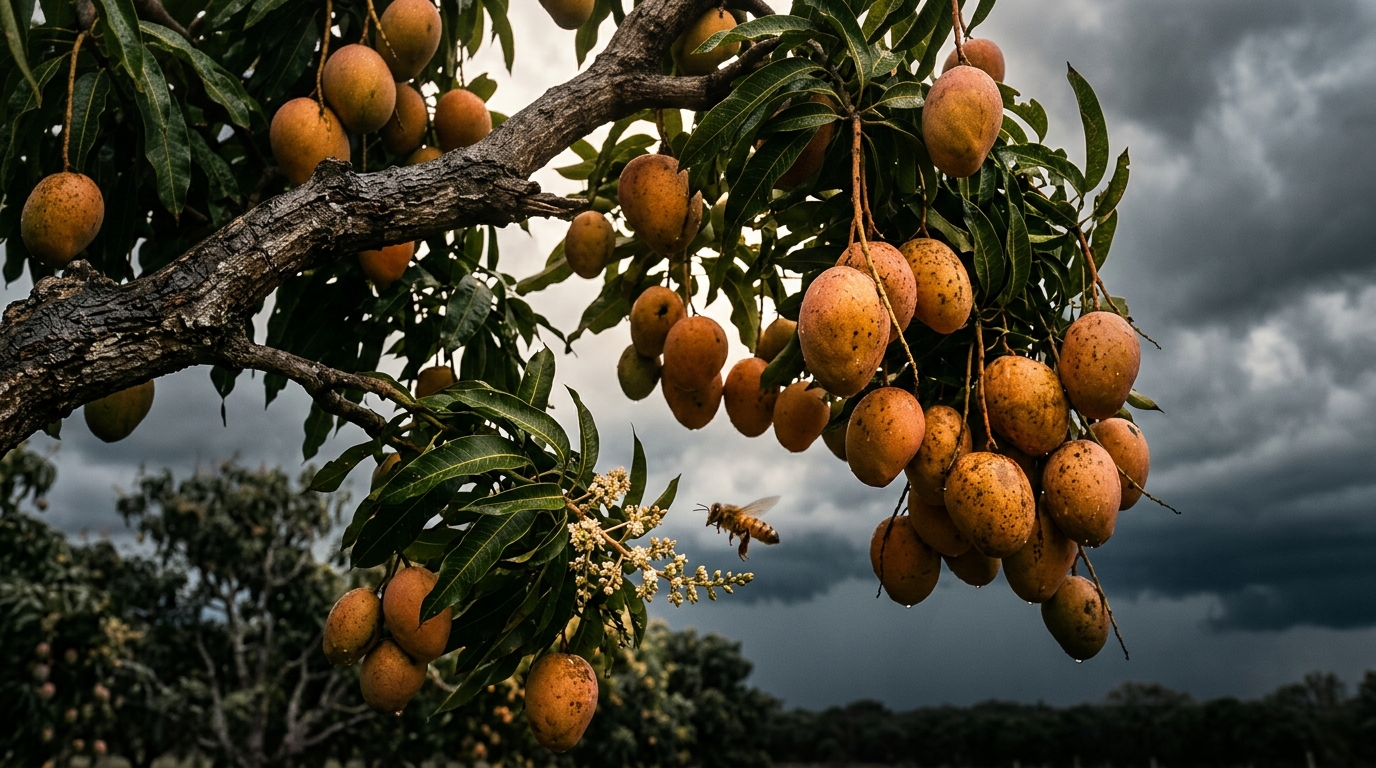
ReMedium TI® Demonstrates Proven Performance in Citrus Greening Management - Citrus Industry Magazine
According to a report from Citrus Industry Magazine, the treatment ReMedium TI has demonstrated effective results in the management of citrus greening. This condition, also known as Huanglongbing, remains one of the most significant threats to citrus cultivation worldwide. The publication highlights that the performance of this intervention has been verified, offering a potential path forward for growers dealing with the bacterial disease. As the industry continues to seek reliable methods to protect tree health and fruit quality, proven management tools like ReMedium TI are becoming essential components of agricultural strategy. The findings suggest that targeted application methods can assist in maintaining productivity within affected orchards. This update serves as an important benchmark for the efficacy of current treatment options available to the citrus sector as it faces ongoing environmental and pathological challenges.
 Illustrated External
Apple Orchard Harvest Offers Lessons About Faith - Lancaster Farming
According to Lancaster Farming, the current apple harvest season provides an opportunity to reflect on the relationship between agricultural stewardship and natural cycles. The process of tending to orchards involves a year-round commitment to tree health, soil quality, and pest management. This harvest period marks the transition from the growing phase to the collection of fruit, reflecting the variables of weather and environmental conditions encountered throughout the year. The report indicates that the success of a harvest is often seen as a result of both human labor and external factors beyond a farmer's control. By examining the yield and condition of the apples, growers can assess the impact of the preceding months' climate on their crops. This seasonal event underscores the importance of resilient farming practices in maintaining productive orchards. Such agricultural milestones highlight the ongoing connection between local communities and the landscapes that provide their food. Why this matters: Monitoring the timing and health of local fruit harvests helps citizen observers track how environmental variability and seasonal shifts influence the productivity of regional agricultural ecosystems.
Illustrated ExternalCan a Drone Spray an Apple Orchard Effectively? Watch and See - Growing Produce
Recent industry demonstrations highlighted by Growing Produce explore the viability of using unmanned aerial vehicles, or drones, for precision spraying in apple orchards. As agricultural technology evolves, growers are looking for alternatives to traditional tractor-mounted sprayers to improve efficiency and reduce soil compaction. The report examines whether these autonomous systems can provide the necessary coverage to manage pests and diseases effectively across dense tree canopies. Proponents of the technology suggest that drones offer a more targeted approach, potentially reducing chemical waste and lowering labor costs. However, the effectiveness of such systems depends on various factors, including flight altitude, nozzle configuration, and battery life. This shift toward automation reflects a broader trend in modern horticulture where farmers seek to integrate remote sensing and precision application to optimize crop yields while minimizing environmental impacts. By observing these technological trials, orchardists can better understand the logistical requirements and regulatory hurdles associated with adopting aerial spray platforms in their daily operations.
Illustrated ExternalExpedition West Michigan: Farmhaus Farms apple orchard - WOODTV.com
WOODTV.com recently profiled Farmhaus Farms as part of its Expedition West Michigan series, highlighting the significance of apple orchards in the regional agricultural landscape. Located in an area known for its productive fruit-growing conditions, the farm represents the broader apple industry that characterizes the West Michigan countryside. The feature explores how local agricultural sites manage their crops and interact with the surrounding environment during the autumn season. While specific harvest metrics were not disclosed in the report, the presence of such orchards underscores the importance of maintaining stable temperate climates and healthy soil for pomology. These farming operations contribute to both the local food supply and the regional economy through traditional cultivation and agritourism. Observing the health and progress of these orchards provides a seasonal indicator of the ecological health of the Midwest's fruit-growing corridors. Monitoring local agricultural cycles, such as the apple harvest, allows individuals to contribute valuable data on how regional climate shifts influence the phenology and yield of food crops.
 Illustrated External
Apple orchard starts cleanup after storm - WTNH.com
Following a recent storm, a local apple orchard has initiated cleanup operations to address the resulting damage, according to a report from WTNH.com. The effort involves clearing debris and assessing the condition of the fruit trees during what is typically a peak harvest period. While the specific scale of the destruction was not detailed in the report, such weather events often pose significant challenges to agricultural productivity, potentially leading to crop loss or damage to farm infrastructure. WTNH.com highlights the start of these restoration efforts as the orchard management works to mitigate the impact of the storm on their operations. This recovery process is essential for maintaining the health of the orchard and ensuring that the remaining seasonal produce can be safely harvested. These events underscore the ongoing challenges faced by the agricultural sector in managing the effects of volatile weather patterns on fruit production.
Illustrated ExternalLive music, Apple Orchard Dessert Bar at Café Night - Morning Star Publications
According to Morning Star Publications, a community event called Café Night is scheduled to feature an Apple Orchard Dessert Bar alongside live musical entertainment. The event emphasizes the use of seasonal fruits, specifically apples, as a central theme for its culinary offerings. By integrating an orchard-themed menu into a public social gathering, the organizers highlight the cultural and economic significance of local fruit production. Such events often aim to connect residents with regional agricultural outputs and provide a platform for local artists. While the announcement focuses on the entertainment aspect, the inclusion of orchard-sourced desserts suggests an appreciation for local harvests and the seasonal availability of specific crops. This intersection of food, community, and music serves to strengthen local food identities. Why this matters: Community celebrations of local harvests help citizens track the timing and quality of regional fruit production through direct sensory experience.
Illustrated ExternalYoung Students Take Fall Field Trip to Apple Orchard - The White River Valley Herald
According to the White River Valley Herald, local students recently participated in a seasonal field trip to an apple orchard. These educational outings provide young learners with an opportunity to engage directly with agricultural environments during the peak harvest season. By observing the growth of fruit trees and the process of harvesting, children gain a practical understanding of how local food systems operate. The report emphasizes the role of experiential learning in connecting students to their regional landscape and the life cycles of plants. Such visits are a staple of rural education in the fall, allowing for an early introduction to concepts of botany and farming. This type of community-based learning reinforces the relationship between environmental health and agricultural productivity. Why this matters: These educational visits encourage the next generation to observe seasonal changes and understand the vital role that local ecosystems play in food security.
Illustrated ExternalInterpoma 2026: Tomorrow’s Apple Orchard Takes Shape in The Orchard of the Future - Perishable News
According to Perishable News, the upcoming Interpoma 2026 trade show is focusing on "The Orchard of the Future," highlighting the technological and structural evolution of apple cultivation. This international event serves as a platform for showcasing advancements in automation, digitalization, and sustainable agricultural practices within the apple industry. The exhibition aims to demonstrate how modern orchards are adapting through precision farming techniques and biological innovations to improve yield efficiency and resource management. By bringing together global experts, the event explores how these developments can help growers navigate future challenges, including shifting environmental conditions and the need for enhanced environmental stewardship. The initiative reflects a broader trend toward data-driven agriculture designed to optimize fruit production on a global scale. Why this matters: Understanding shifts in orchard management allows citizen observers to better track how agricultural technology impacts local biodiversity and the seasonal development of fruit crops in their own regions.
Illustrated ExternalApple orchard starts cleanup after storm - Yahoo
According to a report from Yahoo, an apple orchard has commenced cleanup operations following a storm. The incident occurs during the late September harvest window, a period when fruit trees are particularly susceptible to environmental disruption. While the source does not detail the specific scale of the destruction, such agricultural cleanup tasks generally involve removing debris, assessing tree health, and managing windfall fruit that may no longer be marketable. Weather events of this nature present significant logistical hurdles for growers, as heavy rain and wind can lead to premature fruit drop or physical damage to the orchard infrastructure. This recovery process is essential for maintaining tree health and preparing for future growing seasons. The situation underscores the constant interplay between seasonal fruit production and unpredictable weather patterns that can impact local food availability. Why this matters: Citizens observing and reporting local crop damage after storms provide valuable ground-level data that helps track how extreme weather affects regional food supplies and agricultural resilience.
Illustrated ExternalApple season well underway at Wight’s Apple Orchard - The Ellsworth American
The Ellsworth American reports that the autumn harvest is in full swing at Wight’s Apple Orchard, indicating that the local apple season is now well established. As September concludes, regional agricultural activity centers on the picking of various apple varieties, a staple event for the local community and economy. Wight’s Apple Orchard serves as a primary location for seasonal fruit production in the area, reflecting broader agricultural trends in the Maine region. The timing of the harvest aligns with typical seasonal cycles for the Northeastern United States, where cooler temperatures signal the readiness of the fruit. According to the report, the orchard is currently active with harvesting efforts. This period is critical for local food systems, providing fresh produce to the surrounding population and supporting regional biodiversity through maintained orchard environments. The progression of the season at this specific site highlights the ongoing health of local pomology and the impacts of seasonal weather patterns on crop yields and maturation times. Observing the timing and health of local harvests like these helps residents track the shifting cycles of fruit-bearing trees and understand the impact of seasonal weather on regional food security.
Illustrated ExternalYou Can Actually Shoot Apples Out of a Cannon at This Maine Orchard - 92 Moose
An orchard in Maine is offering a distinctive agritourism experience by allowing visitors to launch fruit from a pneumatic cannon. As reported by 92 Moose, this attraction serves as a draw for the local community during the peak harvest season. These types of interactive activities are increasingly common at small-scale farms seeking to diversify their revenue streams while maintaining traditional agricultural land. The inclusion of mechanical entertainment alongside standard pick-your-own operations reflects a broader trend in how regional food producers engage with the public. By drawing crowds to rural areas, these orchards foster a deeper connection between consumers and the sources of their food. The presence of such attractions encourages foot traffic to agricultural zones, supporting the economic viability of local fruit production and land conservation efforts in the Northeast. These events highlight the intersection of technology, entertainment, and the seasonal cycles of pomology. Why this matters: Public interactions at orchards allow citizen observers to monitor seasonal harvest timings and the health of local fruit crops firsthand.
 Illustrated External
Lakewood’s Cider Days celebrates the city’s apple orchard, agricultural past - Colorado Public Radio
According to Colorado Public Radio, the city of Lakewood is hosting its annual Cider Days festival to honor its local apple orchards and agricultural heritage. This event highlights the historical significance of fruit cultivation in the region, which once played a central role in the local economy and community identity. By focusing on the city's agricultural past, the celebration provides residents and visitors with an opportunity to learn about traditional farming practices and the preservation of heritage orchards. The festival serves as a cultural reminder of the transition from a rural farming community to a more urbanized area, while maintaining a connection to its botanical roots. These types of heritage events emphasize the value of local food systems and the historical importance of specific crop varieties to the identity of the region, fostering a deeper appreciation for regional agricultural history.
Illustrated ExternalService dogs in training visit local apple orchard - WEAU
As reported by WEAU, a group of service dogs in training recently visited a local apple orchard to practice their skills in a public agricultural setting. These outings are essential for future service animals, as they must learn to remain focused and calm despite the various distractions found in nature and high-traffic areas. Orchards offer a complex sensory experience, including the scent of ripening fruit, the presence of other visitors, and uneven terrain. Exposure to these elements helps prepare the dogs for their roles as companions and assistants for individuals with disabilities. By integrating training sessions into community locations like farms and orchards, trainers can simulate real-world scenarios that the dogs will eventually encounter while working. This type of socialization ensures the animals can perform their duties reliably across diverse environments, from quiet indoor spaces to busy outdoor harvests. Why this matters: Observing how animals interact with agricultural landscapes highlights the diverse ways managed natural spaces serve the community beyond food production.
Illustrated ExternalSaturday at the apple orchard - Wisconsin State Journal
The Wisconsin State Journal reports on the seasonal activities occurring at apple orchards across the state during the final weekend of September. This time of year represents the height of the harvest for many regional apple varieties, which are a staple of Wisconsin’s agricultural landscape. The coverage reflects a typical Saturday spent at these orchards, where community engagement with local food production is a central theme. According to the publication, these visits allow individuals to connect with the source of their food and observe the culmination of the growing season. The health of the crop and the timing of the ripening process are influenced by the preceding months' weather patterns and soil conditions. By visiting these sites, the public participates in a long-standing agricultural tradition that supports the local economy. These seasonal events highlight the intersection of environment, agriculture, and community life in the Midwest. Why this matters: Monitoring the health and timing of local fruit harvests provides citizens with tangible evidence of how seasonal climate trends impact regional agriculture and food availability.
Illustrated ExternalSaturday at the apple orchard - Wiscnews.com
According to Wiscnews.com, the arrival of late September marks a significant period for apple orchards across Wisconsin. Local residents are participating in the seasonal tradition of visiting orchards to harvest fruit directly from the trees. This annual activity highlights the intersection of regional agriculture and the changing seasons in the Midwest. As temperatures drop, these orchards become central hubs for community engagement and the distribution of locally grown produce. The report suggests that the harvest is a primary way for people to interact with the environment while supporting the local economy. While specific orchard conditions vary, the timing of these visits is closely tied to the natural ripening cycles influenced by the year's weather patterns. Such events underscore the ongoing relevance of small-scale fruit production in maintaining regional food diversity. Why this matters: Monitoring the timing and health of local harvests allows citizens to observe firsthand how climate variations and seasonal shifts affect the resilience of regional food systems.
Illustrated ExternalDixon’s Apple Orchard brings 5th annual Applepalooza to new home at the DECC - Northern News Now
Northern News Now reports that Dixon’s Apple Orchard is transitioning its fifth annual Applepalooza event to a new venue at the Duluth Entertainment Convention Center (DECC). This shift marks a notable change for the agricultural festival, which traditionally celebrates the regional apple harvest. The event serves as a central hub for distributing local produce and seasonal goods, bringing the output of regional orchards into an urban convention setting. According to the report, the move allows the celebration of local horticulture to reach a broader audience while providing a dedicated space for vendors and the community to interact during the peak harvest season. By relocating to the DECC, the organizers aim to maintain the continuity of this seasonal tradition in a more accessible environment. The festival highlights the intersection of local food systems and community engagement, emphasizing the importance of specialty crops grown in the surrounding region. This move reflects an evolving approach to seasonal agricultural events in the Northland area.
Illustrated ExternalDixon’s Apple Orchard brings 5th annual Applepalooza to new home at the DECC - Northern News Now
Dixon’s Apple Orchard is hosting its fifth annual Applepalooza event, which has moved to a new location at the Duluth Entertainment Convention Center (DECC). According to Northern News Now, this transition allows the festival to expand its reach within a larger venue. The event highlights the seasonal apple harvest, featuring various products and varieties cultivated by the orchard, such as their signature Champagne apples. By relocating to an indoor facility, the organizers provide a stable environment for the public to engage with regional agriculture regardless of weather conditions. The festival typically includes educational displays, local food offerings, and family activities centered around the autumn harvest. This move reflects a growing trend of connecting rural agricultural operations with urban centers to promote local food systems. The event serves as a celebration of the year's growing season and the economic importance of fruit production in the region.
Illustrated ExternalForecasted nor’easter threatens business at Ipswich apple orchard - CBS News
According to CBS News, a forecasted nor’easter is creating significant concern for agricultural operations in Ipswich, Massachusetts. The storm system is expected to bring strong winds and heavy precipitation to the region, posing a threat to local apple orchards during the height of the harvest season. For many growers, the timing of such coastal storms is problematic, as high winds can cause fruit to drop prematurely and heavy rains can damage the remaining crop. Beyond direct physical damage to the trees and fruit, the adverse weather is expected to disrupt agritourism activities, which are a vital source of revenue for local farms during the autumn months. CBS News notes that orchard owners must often make difficult logistical decisions regarding harvest schedules in response to these sudden weather threats. This event highlights the vulnerability of regional agriculture to seasonal storm patterns and the economic pressures faced by producers during volatile weather windows. Monitoring local weather patterns and their impact on harvest cycles helps communities understand the direct relationship between climate shifts and local food availability.
Illustrated ExternalSpring freezes made this fall’s apple orchard trip more complicated than usual - Shelby News
Apple production in regions served by Shelby News has faced significant challenges this season due to late spring freezes. According to the report, these weather events have directly impacted the availability and timing of the autumn apple harvest, making traditional orchard visits more difficult for consumers. When freezing temperatures occur after apple trees have begun to bloom, the delicate blossoms can be damaged or destroyed, leading to a reduced yield or uneven ripening across different varieties. This seasonal disruption highlights the vulnerability of fruit crops to fluctuating spring temperatures. While some orchards may still offer picking opportunities, the selection and quantity are likely more limited than in previous years. Such environmental stressors force growers to adapt their management strategies and can lead to higher prices or shorter harvest windows for the public. Why this matters: Monitoring the timing of fruit tree blossoms and early-season frosts helps citizen scientists track how changing weather patterns affect local food systems and agricultural resilience.
Illustrated ExternalAmerica’s two best apple orchards are both in Upstate New York, voters say - NewYorkUpstate.com
Recent rankings highlighted by NewYorkUpstate.com indicate that public voters have named two locations in Upstate New York as the best apple orchards in the United States. This distinction emphasizes the region's prominent role in American pomology and the success of its agricultural tourism sector. The recognition comes during the height of the fall harvest season, a period when local orchards become central to both the regional economy and community engagement with the environment. The state's specific climate and geographical features contribute to its reputation for high-quality apple production, consistently placing it at the forefront of national output. By securing the top two spots in a national poll, these orchards demonstrate the effective preservation of agricultural land and the continued appeal of traditional farming practices in a modern context. This level of public support reflects a deep-seated connection between the local population and the seasonal cycles of the landscape.
Illustrated Externalman driving tractor through apple orchard - The Berkshire Eagle
As reported by The Berkshire Eagle, the late-September season involves active management within local apple orchards. Observations from the field show a man driving a tractor through the orchard rows, a standard practice during the peak harvest period in the Berkshire region. This activity is a core component of the agricultural cycle, requiring precise timing to ensure fruit is gathered at optimal ripeness. According to the publication, such scenes are characteristic of the seasonal labor and machinery usage required to maintain the region's fruit production. While the report does not specify the exact apple varieties or the size of the farm, the presence of agricultural machinery indicates a period of high productivity. These routine operations are essential for the local food supply and reflect the intersection of human labor and natural seasonal shifts in Massachusetts.
Illustrated ExternalGrowers Building Financial Resilience in the Era of Citrus Greening - Growing Produce
According to Growing Produce, the citrus industry is currently prioritizing the development of financial resilience as it navigates the ongoing challenges posed by citrus greening. This disease, which has devastated groves across major production regions, forces growers to manage declining yields and increased production costs. The report suggests that building a stable economic foundation is as critical as biological management for the long-term survival of citrus farms. By adopting new management techniques and diverse business strategies, producers are attempting to mitigate the risks associated with Huanglongbing (HLB). These efforts focus on maintaining the viability of orchards despite the persistent presence of the bacteria. The shift toward resilience reflects a broader adaptation within the agricultural sector to environmental threats that cannot be easily eradicated. Ensuring that growers can withstand these pressures is vital for the continued availability of citrus products globally. Why this matters: Citizen observations of symptoms like yellowing leaves or stunted fruit growth can provide early warning signs of disease spread, helping communities protect local citrus trees and agricultural livelihoods.
Illustrated ExternalApple orchard expands into berry growing in New Zealand - Hortidaily
According to Hortidaily, an apple orchard in New Zealand is expanding its agricultural operations to include berry cultivation. This strategic shift indicates a growing trend among commercial fruit producers to diversify their crops rather than relying solely on traditional apple harvests. By integrating berries into their existing infrastructure, the orchard can potentially stabilize revenue and optimize land use throughout different growing seasons. Such transitions often represent an adaptation to changing market demands and environmental factors that influence fruit production in the region. While the specific types of berries were not detailed, the expansion highlights the evolving nature of New Zealand's horticultural sector as growers seek more resilient business models through variety. This move reflects a broader move toward multi-crop farming systems in professional orcharding.
Illustrated ExternalThe Reason I Really Only Go To Apple Orchards in Illinois - Q98.5
In a report by Q98.5, the seasonal appeal of visiting apple orchards in Illinois is highlighted, emphasizing the state's regional agricultural identity. Illinois orchards serve as significant hubs for local food production and community engagement during the harvest season. According to the publication, the preference for local orchards over those in neighboring regions is driven by the specific quality and availability of fruit grown within the state's borders. These agricultural sites allow residents to participate directly in the harvesting process, fostering a deeper connection between consumers and the land. The presence of these orchards underscores the importance of the local climate and soil conditions in sustaining diverse fruit varieties. By prioritizing local produce, consumers support the economic and environmental health of the regional farming community. The report suggests that the seasonal transition in the Midwest makes Illinois a prime location for traditional fruit cultivation and distribution. Why this matters: Monitoring the health and productivity of local orchards through citizen observation helps track how regional climate shifts affect seasonal fruit yields and agricultural sustainability.