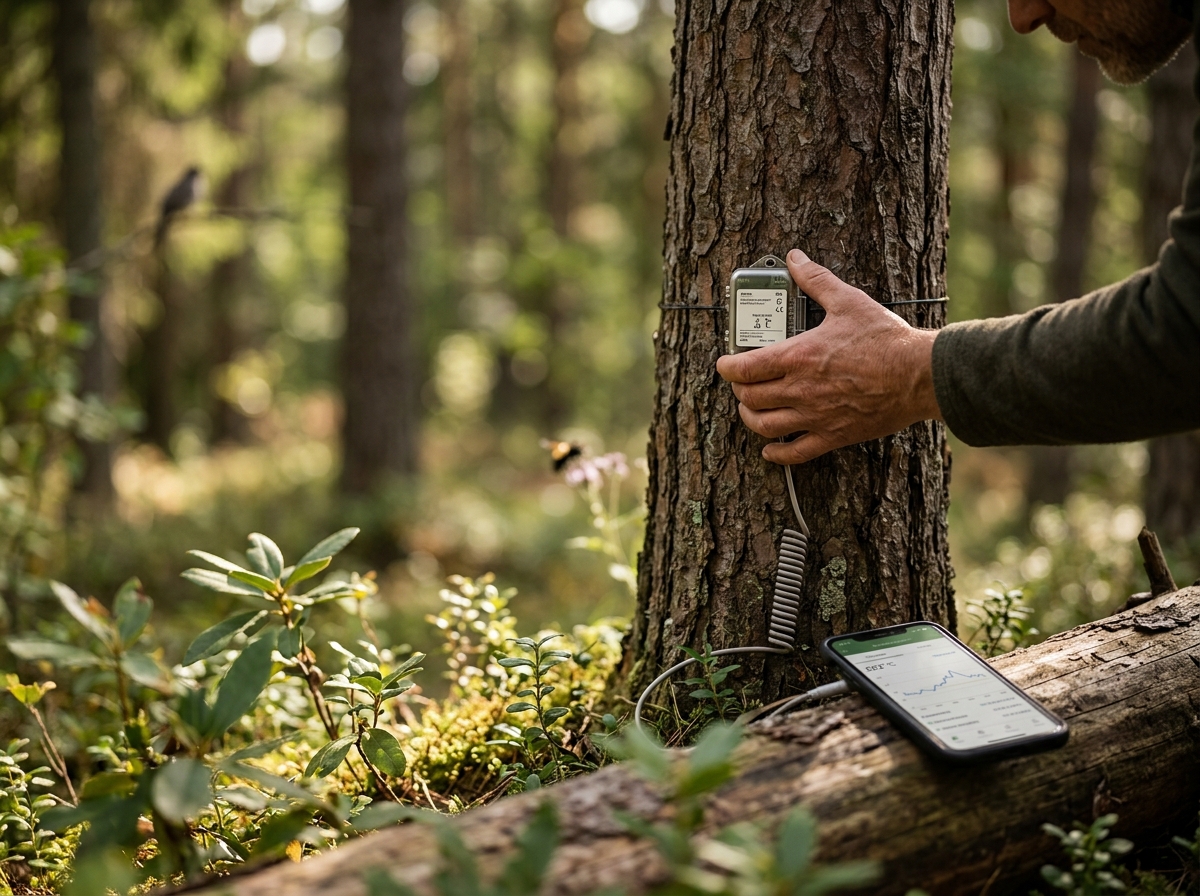
Our planet is undergoing rapid environmental change. Temperatures are rising, oceans are warming, glaciers are retreating, sea levels are increasing, habitats are shifting, and many plants and animals are responding by changing where and when they live, migrate, reproduce, flower and feed.
Research helps us understand what is changing, why it is changing, what may happen next, and what we can do about it.
NaturePulse brings environmental research closer to everyday people. Our goal is to connect scientific knowledge with observations from communities around the world.
Researchers use satellites, weather stations, ocean buoys, wildlife tracking devices, laboratory experiments, field surveys, historical records and increasingly artificial intelligence to understand environmental change. At the same time, ordinary people can contribute valuable observations through photographs, videos, species sightings and records of local environmental conditions.
The IPCC has concluded that climate change has already altered terrestrial, freshwater and marine ecosystems around the world, affecting species distribution, seasonal timing, abundance, ecosystem structure and ecosystem services.
NaturePulse invites everyone to become curious about the science behind the natural world.
🌡️ Climate Change Research
Climate research investigates how Earth's atmosphere, oceans, land, ice and ecosystems interact.
Scientists are studying not only how much the planet is warming, but also how that warming affects rainfall, drought, storms, agriculture, biodiversity, oceans and human communities.
Important research areas include: global and regional temperature trends · greenhouse gas concentrations · carbon dioxide and methane · climate feedback mechanisms · extreme heat · changing rainfall patterns · drought · severe storms · changing monsoons · wildfire conditions · climate modeling · regional climate projections · climate adaptation · climate resilience · carbon storage in forests, soils and oceans.
Climate change research increasingly examines the interaction between climate, ecosystems, biodiversity and human society, rather than treating these as separate systems.
Questions researchers are asking: How quickly will different regions warm? Which ecosystems are approaching critical thresholds? How will rainfall patterns change? Which communities and species are most vulnerable? How much adaptation is possible? And perhaps most importantly — which actions taken today can reduce tomorrow's environmental damage?
🌳 Forest & Tree Research
Forests regulate climate, store carbon, protect watersheds, stabilize soils and provide habitat for an enormous range of species. Researchers study forests from individual leaves to entire continents.
Major research topics include: deforestation · forest fragmentation · tree mortality · forest regeneration · reforestation · afforestation · carbon sequestration · drought stress · heat stress · wildfires · forest diseases · invasive pests · tropical rainforest changes · boreal forest changes · mangrove ecosystems · urban forests · old-growth forests.
Scientists are particularly interested in whether forests can continue storing large amounts of carbon as temperatures increase and drought and wildfire risks change.
Research also investigates how connecting fragmented habitats and restoring degraded ecosystems can improve ecological resilience. The IPCC identifies habitat extent, connectivity, restoration and reduced fragmentation among important approaches for increasing ecosystem resilience.
🐦 Bird & Migration Research
Birds are powerful indicators of environmental change because they respond quickly to changes in temperature, food, habitat and seasonal conditions.
Researchers monitor: migration timing · migration routes · nesting dates · egg laying · hatching success · population changes · geographic distribution · feeding behavior · habitat loss · urban bird populations · wetland birds · seabirds · bird diseases · effects of pesticides · effects of artificial lighting · effects of buildings and infrastructure.
Long-term bird observations can reveal environmental changes that might otherwise be difficult to detect. NaturePulse users can contribute by documenting first arrivals, last sightings, nesting activity and unusual species appearances.
🐝 Pollinator & Insect Research
Insects are essential to ecosystems, agriculture and food webs. Scientists are investigating changes in bees, butterflies, moths, beetles, dragonflies and countless other insect populations.
Research areas include: pollinator abundance · butterfly migration · habitat loss · pesticides · agricultural practices · climate change · flowering-season changes · invasive insects · insect diseases · artificial nighttime lighting · urbanization · drought · extreme temperatures.
Researchers are also investigating how changes in flowering dates affect relationships between plants and their pollinators. If flowers bloom earlier but their pollinators arrive at their traditional time, ecological relationships that evolved over thousands of years may become disrupted.
🦌 Wildlife & Habitat Research
Every species requires suitable habitat. When forests are cleared, wetlands drained, rivers altered or cities expanded, animals may be forced to move, adapt or disappear.
Wildlife research examines: habitat loss · habitat fragmentation · wildlife corridors · migration · population decline · reproductive success · human-wildlife conflict · urban wildlife · roadkill · endangered species · invasive species · disease · food availability · predator-prey relationships · genetic diversity.
Climate change adds another dimension because suitable climatic conditions themselves can move geographically. Conservation researchers are therefore studying how protected areas can be connected so species have opportunities to move as conditions change. Conservation, ecosystem restoration and reducing other environmental stresses can improve biodiversity resilience to climate change.
🌺 Biodiversity Research
Biodiversity research asks a fundamental question: what life exists on Earth, and how is it changing?
Scientists study biodiversity at several levels — from genes and individual species to entire ecosystems.
Major areas include: species discovery · species extinction · population decline · genetic diversity · biodiversity hotspots · endangered species · ecosystem diversity · habitat fragmentation · invasive species · climate-driven range changes · conservation priorities · ecosystem restoration.
Some regions contain extraordinary concentrations of species found nowhere else. Climate change combined with habitat degradation can place these biodiversity hotspots under particularly intense pressure.
NaturePulse can help make biodiversity visible at the local level. What lives in your neighborhood today? That becomes an important question when we can compare the answer five, ten or twenty years from now.
🌊 Ocean Research
Oceans cover most of our planet and absorb enormous quantities of heat and carbon dioxide.
Ocean researchers investigate: ocean warming · ocean circulation · marine heat waves · ocean acidification · oxygen loss · coral reefs · fisheries · plankton · marine biodiversity · seaweed and algae · seagrass · mangroves · marine pollution · plastic pollution · deep-sea ecosystems.
Researchers increasingly study several environmental pressures simultaneously rather than independently. For example, NOAA research examines how combinations of elevated temperature, ocean acidification and low oxygen affect corals, sponges and other ecologically important organisms.
🪸 Coral Reef Research
Coral reefs support extraordinary marine biodiversity while also helping protect coastlines. They face multiple pressures including ocean warming, acidification, disease, pollution and physical damage.
Scientists are researching: coral bleaching · heat tolerance · coral diseases · reef recovery · ocean chemistry · reef biodiversity · coral reproduction · assisted restoration · heat-resistant corals · reef erosion · coastal protection.
NOAA monitoring programs measure factors including thermal stress, ocean chemistry, calcification and bioerosion to better understand changing reef health.
Ocean acidification is particularly important because changing seawater chemistry can make it more difficult for corals and other organisms to build and maintain calcium-carbonate structures.
🐟 Fisheries & Aquatic Ecosystem Research
Fish populations respond to water temperature, oxygen, pollution, food availability, habitat and fishing pressure.
Research topics include: fish migration · spawning · population changes · overfishing · sustainable fisheries · freshwater fish · marine fisheries · fish diseases · water temperature · oxygen levels · ocean acidification · invasive aquatic species · habitat degradation · dam impacts · river restoration.
Researchers are also examining how climate change may alter where commercially and ecologically important fish species can survive.
💧 Freshwater Research
Freshwater is essential to nearly every terrestrial ecosystem and human community.
Scientists study: rivers · lakes · wetlands · groundwater · springs · reservoirs · watersheds · snowpack · water quality · sediment · nutrient pollution · agricultural runoff · microplastics · algal blooms · drought · flooding.
Climate change affects the global water cycle and creates changing risks for both natural ecosystems and human societies. Long-term observations of rivers, lakes and wetlands are therefore particularly valuable.
🌊 Sea-Level Rise Research
Sea-level research combines satellites, tide gauges, ocean measurements, ice observations and computer models.
Researchers investigate: global sea-level rise · regional differences · melting glaciers · Greenland and Antarctic ice loss · thermal expansion of seawater · land subsidence · coastal erosion · tidal flooding · saltwater intrusion · wetland migration · coastal infrastructure vulnerability.
NASA's satellite record shows that global mean sea level has risen by roughly 100 millimeters since 1993, driven mainly by melting land ice and the expansion of warming seawater.
For NaturePulse, repeated photographs of the same beach, seawall, mangrove, estuary or tidal street could become useful community records of coastal change.
❄️ Glaciers, Snow & Ice Research
Frozen regions are among the most sensitive components of Earth's climate system.
Scientists monitor: mountain glaciers · Greenland · Antarctica · Arctic sea ice · snow cover · permafrost · frozen lakes · seasonal snowmelt · glacier-fed rivers.
Research investigates how melting ice affects sea level, ecosystems, freshwater supplies and global climate. Citizen observations can contribute historical context through old photographs showing former glacier positions and snowlines.
🌾 Agriculture & Food-System Research
Climate change directly affects food production.
Agricultural researchers study: crop yields · drought-resistant crops · heat tolerance · changing growing seasons · soil moisture · irrigation · crop diseases · agricultural pests · pollination · flood damage · soil degradation · salinity · regenerative agriculture · agroforestry · food security.
Traditional agricultural knowledge can also provide valuable clues. Farmers may remember when monsoon rains traditionally arrived, when certain crops were planted or when particular fruits normally ripened. Those observations can complement formal scientific measurements.
🌱 Soil Research
Healthy soil is alive. Researchers study the enormous community of bacteria, fungi, insects, worms and microorganisms beneath our feet.
Research areas include: soil carbon · soil microorganisms · fungi · soil moisture · erosion · nutrient loss · agricultural chemicals · desertification · salinity · composting · regenerative farming · carbon sequestration.
Scientists are particularly interested in how better soil management can simultaneously support agriculture, biodiversity, water retention and climate resilience.
🔥 Wildfire Research
Wildfire is a natural part of some ecosystems, but changing climate and land-management conditions can alter fire frequency, intensity and duration.
Researchers investigate: fire weather · drought · vegetation dryness · lightning · human ignition · forest management · smoke · air quality · wildlife impacts · soil damage · watershed impacts · post-fire erosion · forest regeneration.
Research also asks an important question: what happens after the fire? NaturePulse users can document the return of grasses, wildflowers, insects, birds, shrubs and trees over subsequent months and years.
🌪️ Extreme Weather Research
Researchers are studying how a warming climate influences extreme events.
Topics include: heat waves · extreme rainfall · flooding · drought · tropical cyclones · severe thunderstorms · storm surges · atmospheric rivers · cold extremes · compound disasters.
One important research area is compound events — situations where multiple environmental hazards occur together or in rapid succession. Drought followed by wildfire followed by extreme rainfall, for example, can produce cascading impacts including erosion, debris flows and water contamination.
🏙️ Urban Nature & Climate Research
Cities are increasingly important environmental research laboratories.
Researchers study: urban heat islands · tree canopy · parks · urban forests · birds · pollinators · urban wildlife · air pollution · stormwater · flooding · green roofs · community gardens · urban wetlands · environmental inequality.
One neighborhood may be significantly hotter than another simply because it has fewer trees and more pavement. Research can help cities understand where planting trees, restoring streams and expanding green spaces may produce the greatest benefits.
🦠 Nature, Disease & Ecosystem Health
Environmental change can influence disease.
Researchers investigate relationships among wildlife · livestock · humans · mosquitoes · ticks · water quality · temperature · rainfall · habitat disturbance · wildlife movement.
This increasingly interconnected approach is sometimes described through concepts such as One Health, recognizing that human, animal and environmental health are closely connected.
🧬 Adaptation & Evolution Research
Species have always adapted to environmental change, but today's rapid changes raise important questions about whether adaptation can occur quickly enough.
Researchers study: genetic adaptation · behavioral adaptation · range shifts · heat tolerance · drought tolerance · changing migration · changing reproduction · evolution under environmental stress.
Scientists are also identifying climate refugia — places where local environmental conditions may allow vulnerable species to persist even while surrounding regions become unsuitable.
🌿 Ecosystem Restoration Research
Research isn't only about identifying problems. A rapidly expanding field asks: how can damaged ecosystems be repaired?
Research includes: reforestation · wetland restoration · mangrove restoration · coral restoration · prairie restoration · river restoration · rewilding · wildlife corridors · native plant restoration · invasive-species control · soil restoration · urban ecological restoration.
Scientists evaluate which restoration techniques actually work, how long recovery takes and whether restored ecosystems remain resilient under future climate conditions.
🛰️ Satellites, Drones, Sensors & AI
Environmental research is entering a remarkable technological era. Researchers can now combine satellites + drones + environmental sensors + camera traps + acoustic monitoring + GPS tracking + artificial intelligence + citizen observations.
AI can assist researchers in identifying species from photographs, recognizing bird and animal sounds, analyzing satellite images, detecting deforestation, mapping wildfire damage and discovering patterns across enormous datasets.
Technology does not replace field observation. It makes millions of observations easier to analyze.
📷 Citizen Science & Community Research
One of the most exciting developments in environmental research is the increasing involvement of ordinary people.
A person with a smartphone can record a bird · a butterfly · a flowering tree · a flooded road · a shrinking pond · coastal erosion · an invasive species · a wildfire scar · unusual weather · a landslide · a polluted stream · an unusually early fruiting season.
One observation may have limited scientific value by itself. But thousands of observations collected systematically across years can become extremely valuable.
🔬 NaturePulse Research Opportunities
NaturePulse can help connect observation with research. Every properly documented NaturePulse observation has the potential to become part of a larger environmental record.
Where appropriate, observations can include: location · date · time · species · category · photograph · video · weather · temperature · habitat · water conditions · notes · historical comparison.
Over time, anonymized and appropriately managed aggregated observations could help reveal patterns. For example: are hummingbirds arriving earlier? Are butterflies declining in a particular region? Are mango trees flowering earlier? Are local streams drying sooner? Are tidal floods becoming more frequent? Are certain animals moving into cities? Are tree diseases spreading? Are wildfire seasons becoming longer? Are traditional agricultural seasons changing?
These are exactly the kinds of questions that transform observations into research.
📚 Research Topics on NaturePulse
The NaturePulse Research section organizes information into major research areas:
Climate Change · Biodiversity · Forests · Wildlife · Birds · Pollinators · Agriculture · Oceans · Coral Reefs · Fisheries · Freshwater · Wetlands · Sea-Level Rise · Glaciers · Soil · Wildfires · Extreme Weather · Pollution · Habitat Loss · Restoration · Urban Nature · Citizen Science · Environmental Technology · AI & Nature.
Each topic can include research summaries · important discoveries · ongoing projects · scientific papers · university research · government research · research organization reports · maps and datasets · videos and lectures · NaturePulse community observations · opportunities for citizen participation.
🎓 Connect Researchers With Communities
NaturePulse should also encourage participation from universities · schools · scientists · students · environmental organizations · government agencies · conservation groups · farmers · fishermen · Indigenous and local communities · citizen scientists.
Researchers could share projects and explain what observations they need. A university studying butterfly populations, for example, might ask NaturePulse participants in a particular region to photograph butterflies for three months. A coastal researcher might request monthly photographs from designated shoreline locations. A forestry project might ask communities to document flowering, fruiting or leaf-fall dates for selected tree species.
NaturePulse can therefore become more than a place to read about research. It can become a place to participate in research.
From Observation → Data → Research → Action
NaturePulse begins with something remarkably simple:
Someone notices something. They photograph it. They identify where and when it happened. Someone else notices the same thing somewhere else. Thousands of observations begin forming a pattern. Researchers investigate. Communities understand what is changing. Solutions can then be tested, improved and shared.
Observe. Document. Compare. Research. Understand. Act.
*NaturePulse.net — helping the world understand what nature is telling us.*