
research
How Your Photos Become Real Science
Follow an observation from your camera roll into scientific databases, and learn what makes a record research-grade.
science
Understanding Our Changing Natural World
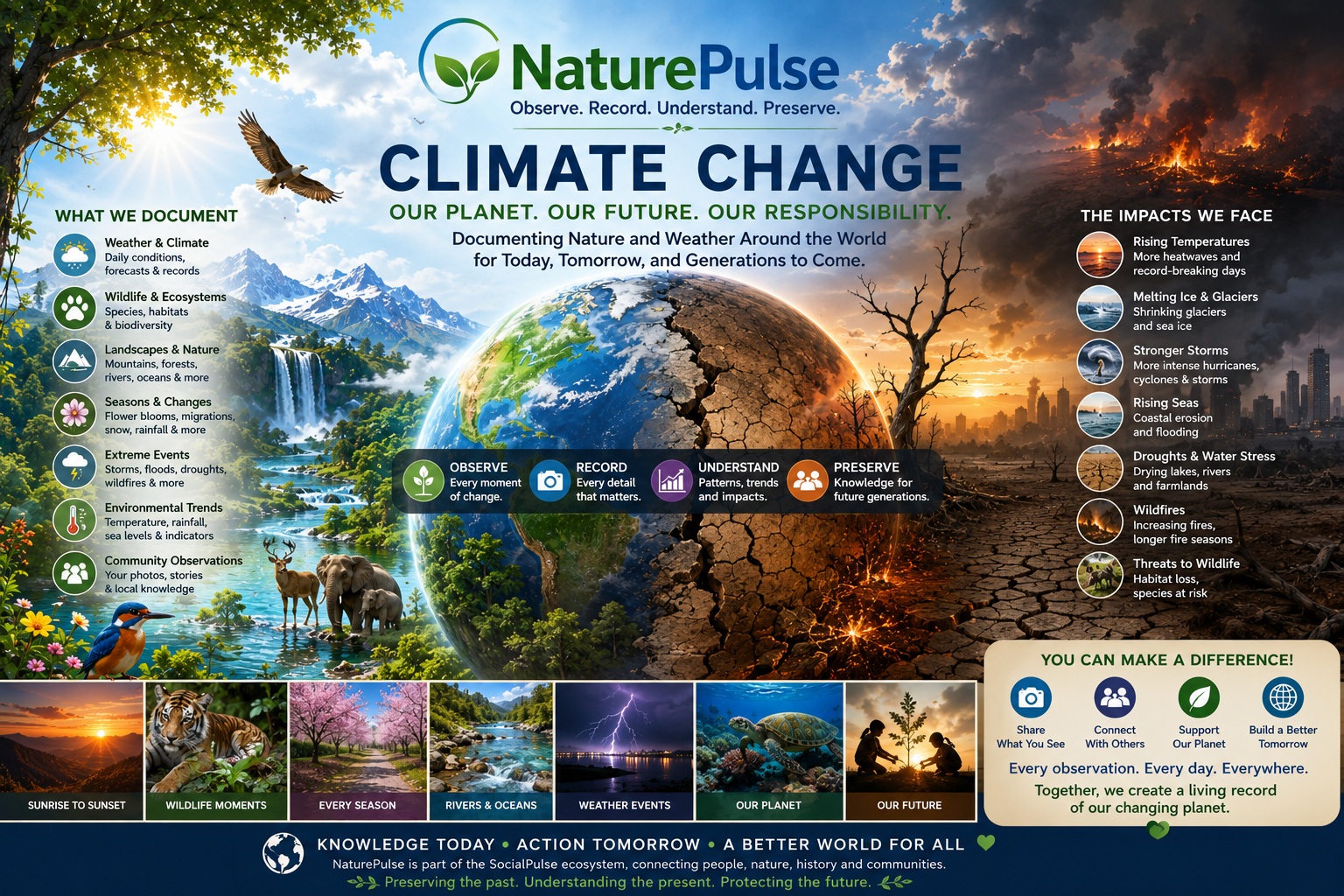
How environmental research — from satellites and ocean buoys to smartphones and community observations — is helping the world understand climate change, biodiversity, forests, oceans, wildlife and what we can do about it.

wildflowers
Wildflowers through the seasons: a year of blooming
From the first woodland flowers to the last autumn blooms, wildflowers mark the year in colour. Learn what to look for, why flowering times shift and how your observations can help.

botany
Mosses and ferns: the ancient plants beneath our feet
Mosses and ferns belong to ancient plant lineages, yet they are anything but relics. Explore their hidden life cycles, ecological importance and the small details that make them rewarding to watch.

birds
Bird migration: how small birds cross oceans
Small songbirds cross vast stretches of open sea without stopping. Discover how they prepare, navigate and cope with weather — and why safe habitats on land are essential to every ocean crossing.

wildlife
Pollinators beyond bees: moths, flies, bats and beetles
Bees are only part of the pollination story. From moths working after dusk to beetles scrambling through blossoms, discover the overlooked animals moving pollen — and how to notice and support them.

conservation
Amphibians in trouble: why frogs are sentinels
Frogs connect ponds, forests and food webs. Their declines can reveal disease, habitat damage and a changing climate, while careful citizen-science records help researchers understand what is happening.

weather
Reading the clouds: a field guide to cloud types
From fair-weather cumulus to towering thunderclouds, clouds reveal the movement and moisture of the atmosphere. This practical guide introduces the ten main types and explains how to observe them.

climate
How monsoons work
A monsoon is more than a spell of heavy rain. It is a seasonal shift in atmospheric circulation, shaped by sunshine, oceans and landscapes, with far-reaching effects on wildlife and people.

science
Photosynthesis explained simply
A leaf is a tiny solar-powered workshop. Discover how photosynthesis uses light, water and carbon dioxide to build sugars, release oxygen and sustain food webs.

climate
The water cycle and why it is speeding up
Climate change is intensifying the water cycle, but not simply making everything wetter. Discover why heavier rain and worsening drought can share the same cause, and how to spot changes near you.

ecology
Soil: the living skin of the Earth
Soil is far more than dirt. Explore the hidden communities that recycle nutrients, shape water’s journey and support life above ground—and discover how to observe them without causing harm.

photography
Photographing insects up close without harming them
A good insect photograph begins with restraint. Learn how to approach, light and record tiny wildlife while protecting the animals and the habitats they depend on.

guides
How to take a photo that helps species identification
A useful wildlife photograph is not always the prettiest one. Learn which angles, details and field notes can help others identify your sightings, without disturbing what you find.

photography
Night skies and nocturnal wildlife photography basics
Darkness reveals a different natural world. Discover practical camera settings, fieldcraft and ethical habits for photographing night skies and nocturnal wildlife without putting the picture before the subject.