Megastructures: how giant structures are built
Under construction — what it takes to build at the scale of bridges, towers and dams.

Wikimedia Commons — Great Wall near Beijing in winter
Under construction: a short SciencePulse excerpt about a video shared on YouTube. The original plays below — all credit to its creator. General explainer, not design advice.
Building at enormous scale
The documentary Megastructures: Building Wonders of Modern Mankind from Free Documentary – Engineering tours some of the largest things people build. At that size, every ordinary problem grows: a structure must carry its own huge weight, resist wind and earthquakes, and be assembled safely by thousands of people.
The big ideas
- Load paths: every force needs a continuous route down to the foundations.
- Materials: high-strength steel and concrete let structures span farther and rise higher with less mass.
- Ground: deep piles and rafts spread the weight into soil or rock.
- Logistics: prefabricating parts off site and lifting them into place saves time and improves quality.
From the Great Wall to modern skyscrapers, megastructures show how physics, geology and planning work together.
Related articles

construction
Why concrete columns are vibrated
Without vibration, trapped air leaves voids and honeycombing in concrete columns. Here's why consolidation matters.
construction
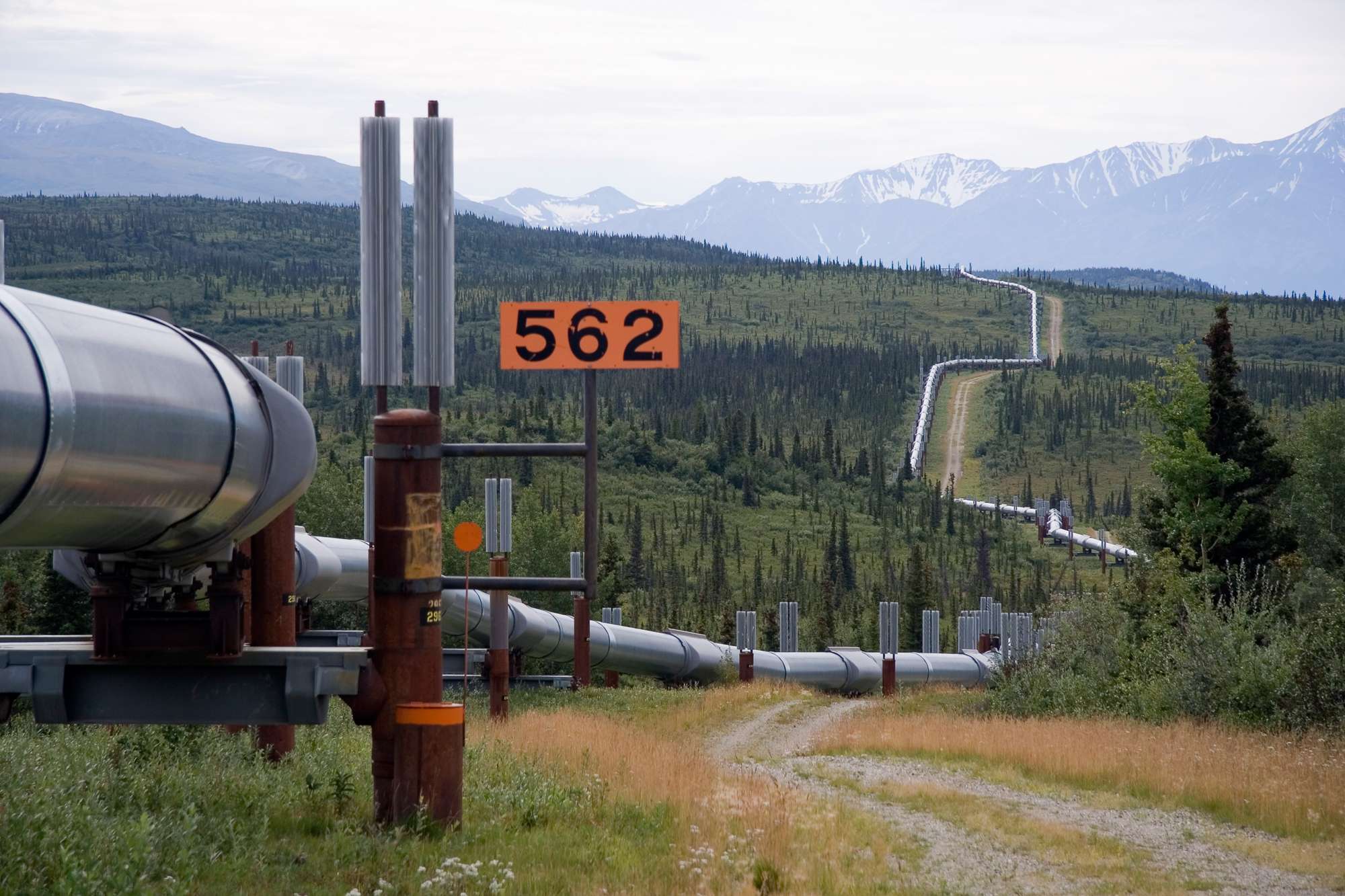
How the Trans-Alaska Pipeline crossed frozen ground
Why much of the Trans-Alaska Pipeline runs above ground on zigzag supports — and how engineers kept it from melting the permafrost.

construction
The satisfying science of bricklaying
A hugely popular bricklaying reel — and the simple physics of bonds, mortar and level courses that keep brick walls standing.

construction
Reading the structure: beam–column joints and lintels
Why beam–column joints are packed with steel and why every door and window needs a lintel — with links to the original Facebook reels.