How the Trans-Alaska Pipeline crossed frozen ground
Under construction — building an 800-mile oil pipeline over permafrost.
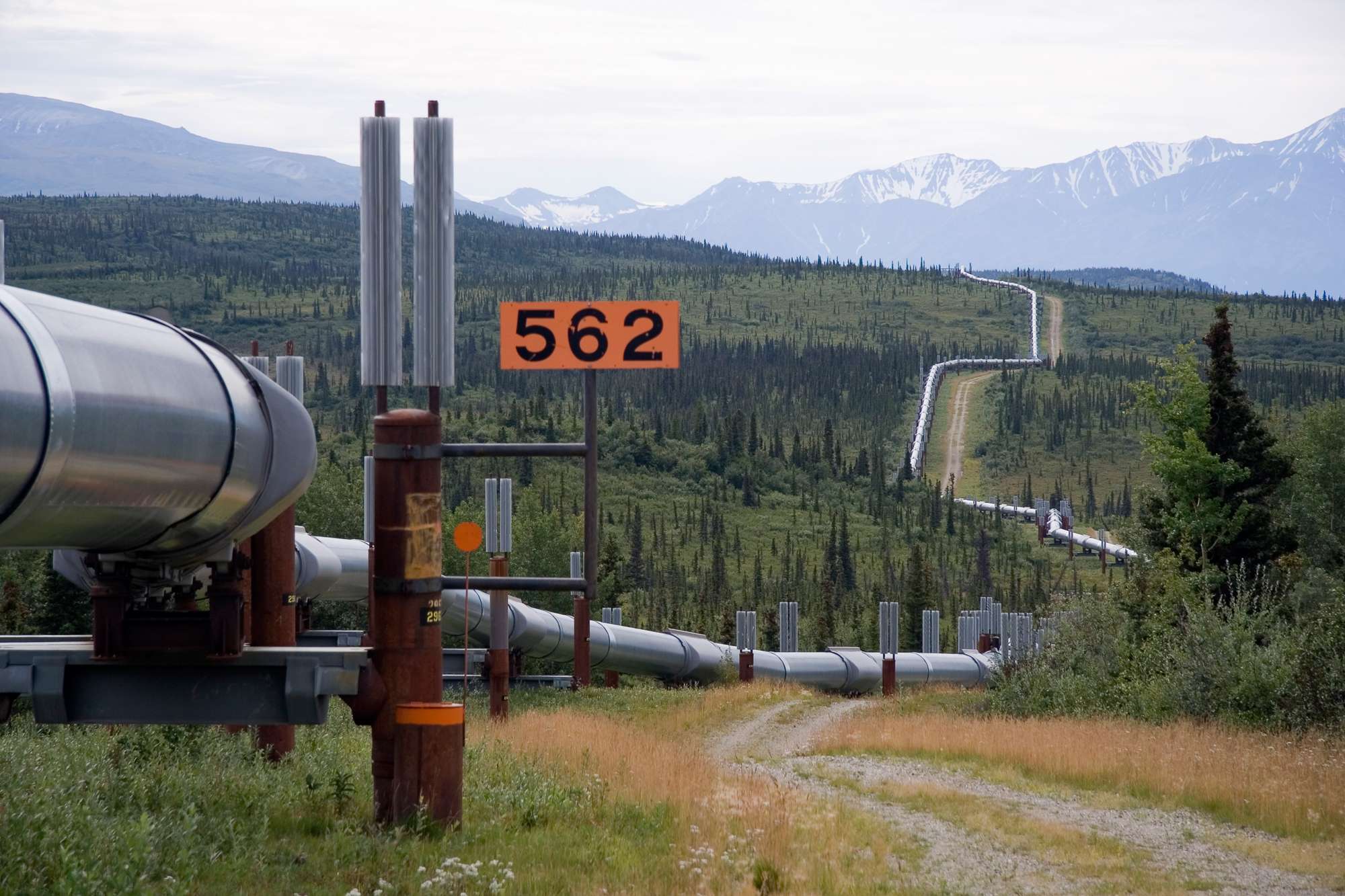
Wikimedia Commons — Trans-Alaska Pipeline System (Luca Galuzzi, 2005)
Under construction: a short SciencePulse excerpt about a video shared on YouTube. The original plays below — all credit to its creator. General explainer, not design advice.
An 800-mile challenge
A video from Global Old History tells how America built the roughly 800-mile Trans-Alaska Pipeline in the 1970s, from Prudhoe Bay on the Arctic coast to the port of Valdez.
The permafrost problem
Much of the route crosses permafrost — ground frozen year-round. Warm oil buried in it would thaw the ice, turning solid ground into mud and letting the pipe sink and break.
The engineering answers
- About half the pipeline is raised on supports so its heat stays away from the ground.
- Many supports carry heat pipes with radiator fins that pull heat out of the soil in winter, keeping it frozen.
- The line runs in a zigzag so it can expand, contract and shift in earthquakes without snapping.
- Raised sections leave gaps for caribou and other animals to cross.
As the Arctic warms, keeping permafrost frozen beneath infrastructure is becoming an even bigger task.
Related articles

construction
Megastructures: how giant structures are built
A documentary look at megastructures, and the engineering ideas — loads, materials and logistics — that make giant builds possible.

construction
The satisfying science of bricklaying
A hugely popular bricklaying reel — and the simple physics of bonds, mortar and level courses that keep brick walls standing.

construction
Why concrete columns are vibrated
Without vibration, trapped air leaves voids and honeycombing in concrete columns. Here's why consolidation matters.

construction
Reading the structure: beam–column joints and lintels
Why beam–column joints are packed with steel and why every door and window needs a lintel — with links to the original Facebook reels.