Soil test first: choosing the right foundation
Under construction — Why engineers read the ground before deciding how a building stands on it.

Wikimedia Commons — Corps drills borehole test sites at Success Dam
Under construction: a short SciencePulse excerpt inspired by a popular construction video shared on Facebook. Watch the original for the full demonstration. This is a general explainer, not design advice — follow local codes and a qualified engineer.
The ground decides
A reel from ConstructionX sums it up: soil test first, foundation next. A building's weight has to spread into the ground without the soil squeezing, sinking unevenly or sliding. How much load a soil can safely carry — its bearing capacity — varies hugely between dense gravel, stiff clay, loose sand and soft, wet silt.
What a soil test looks for
- Boreholes and samples show which layers lie beneath the site and how deep they go.
- Field tests, such as driving a sampler and counting blows, indicate how dense or stiff each layer is.
- Groundwater level matters because water weakens many soils and pushes up on basements.
- Laboratory tests measure strength, moisture and how much a clay will shrink, swell or settle.
Matching soil to foundation
- Strong soil → shallow foundation. Pads or strips just below ground spread each column or wall load.
- Weak soil → raft foundation. One thick slab under the whole building spreads the load over a large area, lowering pressure and evening out settlement.
- Very weak soil → pile foundation. Long columns carry loads down to firmer layers, or grip the soil along their length by friction.
The physics is pressure: the same weight spread over a bigger area, or carried deeper to stronger ground, stresses the soil less.
Related articles

construction
Foundation width or depth: which matters more?
Widening a footing lowers soil pressure; going deeper reaches firmer, more stable ground. Here is how the two work together.

construction
Megastructures: how giant structures are built
A documentary look at megastructures, and the engineering ideas — loads, materials and logistics — that make giant builds possible.
construction
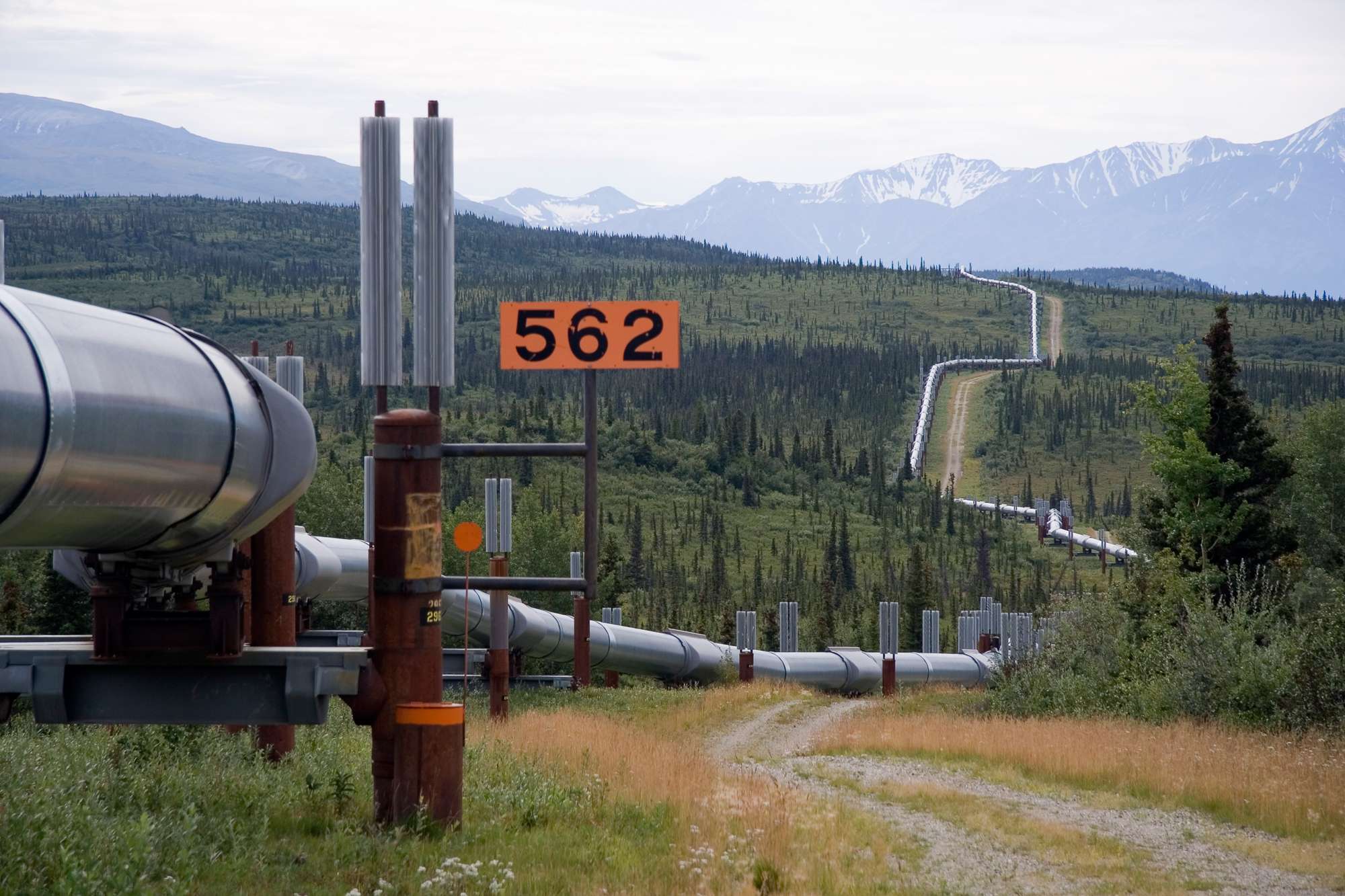
How the Trans-Alaska Pipeline crossed frozen ground
Why much of the Trans-Alaska Pipeline runs above ground on zigzag supports — and how engineers kept it from melting the permafrost.

construction
The satisfying science of bricklaying
A hugely popular bricklaying reel — and the simple physics of bonds, mortar and level courses that keep brick walls standing.