Curing a concrete floor: why fresh slabs are kept wet
Under construction — Concrete doesn't just dry — it grows strong through a chemical reaction that needs water.

Wikimedia Commons — Suspended-slab-formwork.jpg
Under construction: a short SciencePulse excerpt inspired by a popular construction video shared on Facebook. Watch the original for the full demonstration. This is a general explainer, not design advice — follow local codes and a qualified engineer.
Curado de piso
A Spanish-language reel from Ing Jose Otero, watched more than a million times, shows a fresh concrete floor being cured. Curing means keeping new concrete moist and at a reasonable temperature while it gains strength.
Hardening is chemistry, not drying
Cement reacts with water in a process called hydration, forming tiny interlocking crystals that bind sand and stone together. If the surface dries out too soon, the reaction stops there and the concrete stays weaker and dustier than it should be.
How slabs are cured
- Ponding or spraying water on the surface.
- Covering with wet hessian, plastic sheeting or curing blankets.
- Spraying a curing compound that seals moisture in.
Curing usually continues for about a week, longer in cold weather. Concrete keeps strengthening for weeks; its standard design strength is measured at 28 days.
What good curing prevents
- Shrinkage cracks from the surface drying faster than the inside.
- A weak, dusty top layer.
- Lower strength and durability against water and frost.
Watch the original reel on Facebook: Curado de piso (Ing Jose Otero) ↗
Related articles
construction
Why concrete columns are vibrated
Without vibration, trapped air leaves voids and honeycombing in concrete columns. Here's why consolidation matters.

construction
Flat road vs crowned road: why roads have a slope
Roads are built with a slight sideways slope, called crown or camber, so rain runs off instead of pooling. Here is why it matters.

construction
Megastructures: how giant structures are built
A documentary look at megastructures, and the engineering ideas — loads, materials and logistics — that make giant builds possible.
construction
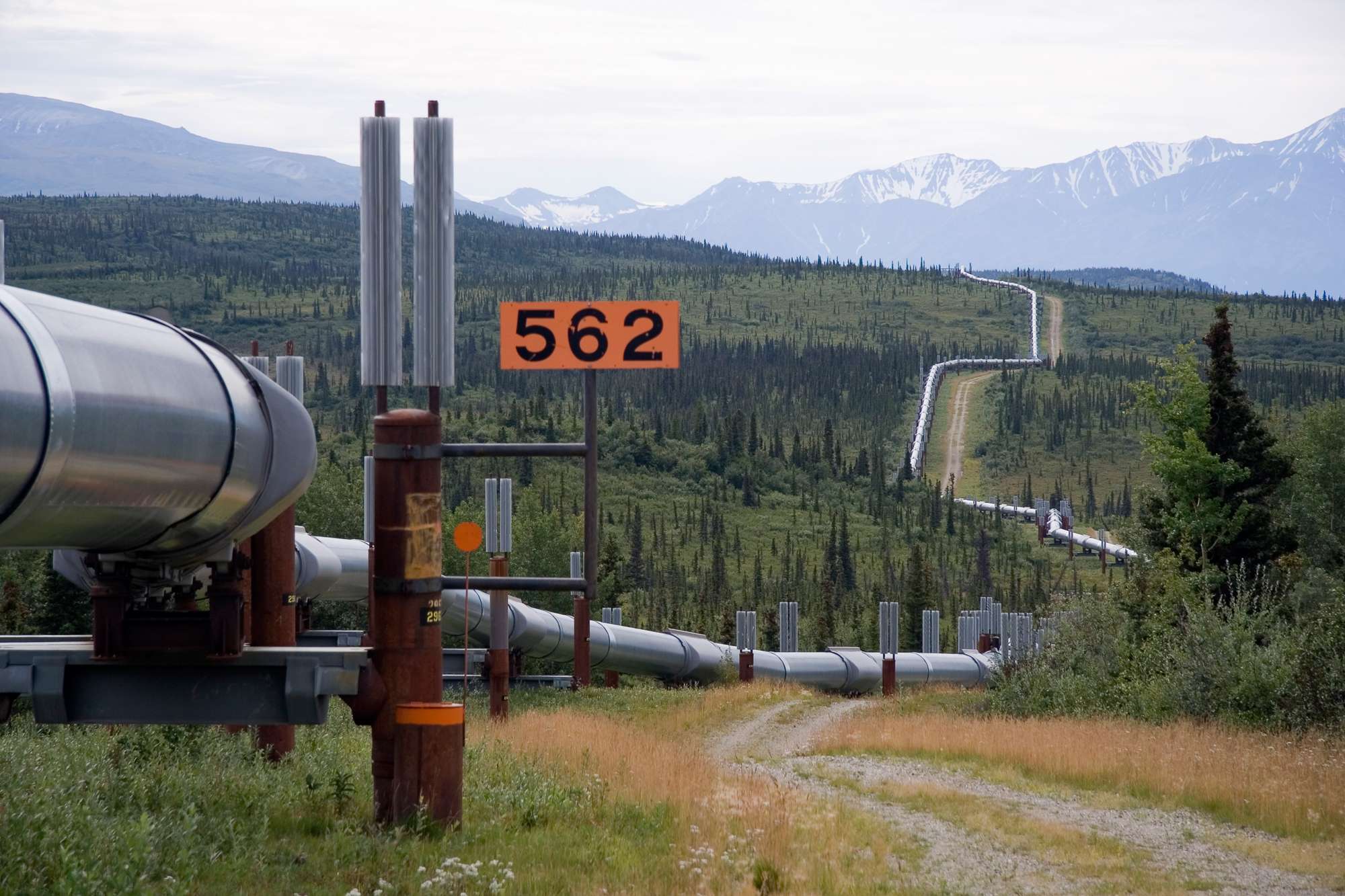
How the Trans-Alaska Pipeline crossed frozen ground
Why much of the Trans-Alaska Pipeline runs above ground on zigzag supports — and how engineers kept it from melting the permafrost.