Flat road vs crowned road: why roads have a slope
Under construction — The gentle hump across a road that keeps water off — and drivers safe.

Wikimedia Commons — Road resurfacing.jpg
Under construction: a short SciencePulse excerpt inspired by a popular construction video shared on Facebook. Watch the original for the full demonstration. This is a general explainer, not design advice — follow local codes and a qualified engineer.
The hidden slope
A reel from CivXcel Academy compares a flat road with a crowned one. Look along almost any road and you will see it is slightly higher in the middle than at the edges. This sideways, or transverse, slope is called crown or camber, typically a gentle 1.5–3% on paved roads and more on gravel.
Why flat roads fail
- Ponding: water collects in shallow puddles that hide potholes.
- Aquaplaning: a film of water can lift tyres off the surface, cutting grip and steering.
- Damage: water seeping into the layers below weakens them, and freeze–thaw cycles crack the surface.
How the crown helps
Gravity pulls rain sideways to the edges, where gutters, drains or ditches carry it away. On bends, roads are instead tilted towards the inside of the curve (superelevation), which also helps vehicles corner safely.
It is a neat example of the water cycle meeting engineering: every rainstorm is managed by a slope too gentle to notice.
Watch the original reel on Facebook: Flat Road vs Crowned Road (CivXcel Academy) ↗
Related articles

construction
Curing a concrete floor: why fresh slabs are kept wet
Keeping a new concrete floor wet for days sounds odd, but it is how the slab reaches its full strength and avoids cracks.

construction
Megastructures: how giant structures are built
A documentary look at megastructures, and the engineering ideas — loads, materials and logistics — that make giant builds possible.
construction
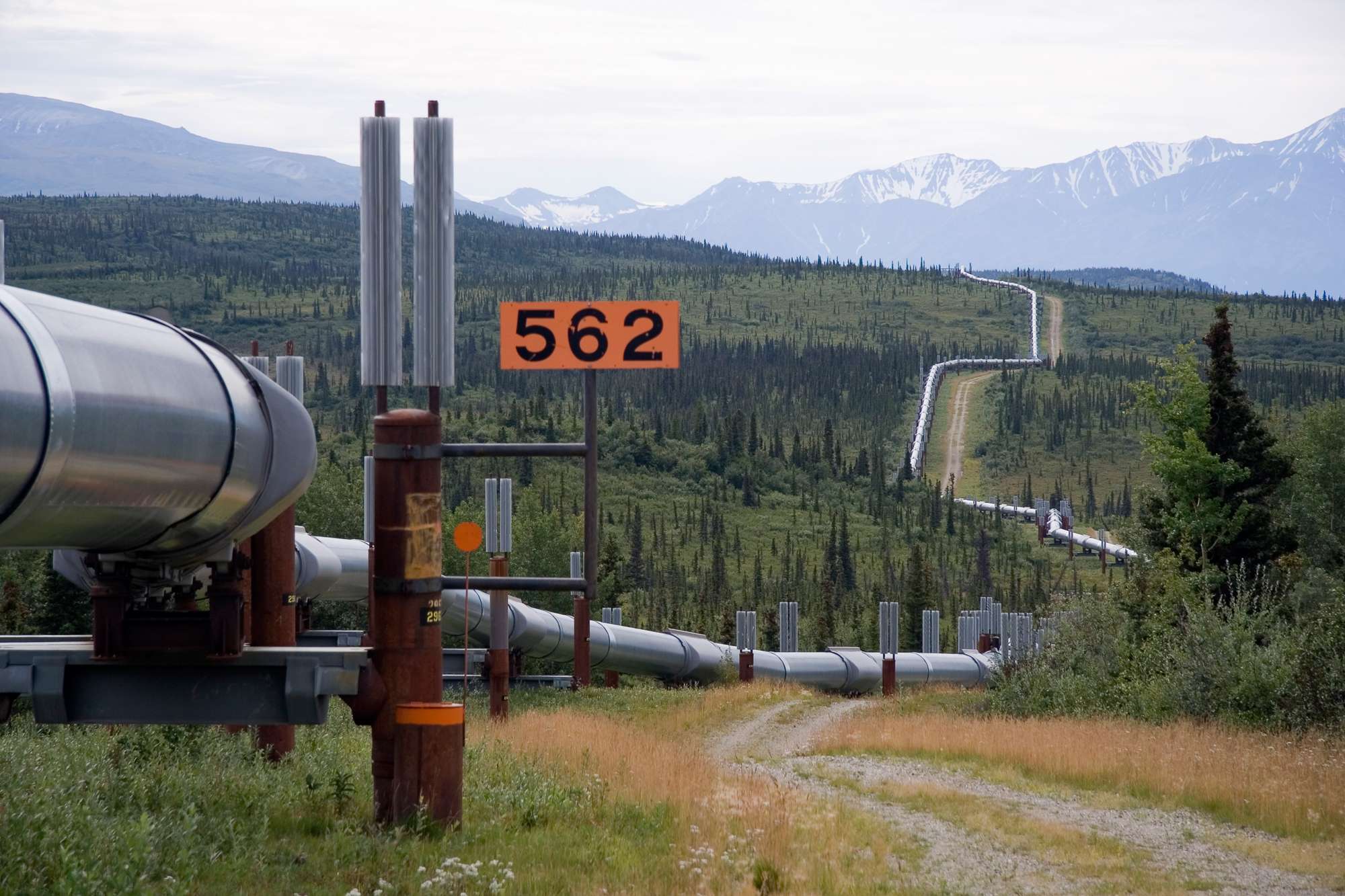
How the Trans-Alaska Pipeline crossed frozen ground
Why much of the Trans-Alaska Pipeline runs above ground on zigzag supports — and how engineers kept it from melting the permafrost.

construction
The satisfying science of bricklaying
A hugely popular bricklaying reel — and the simple physics of bonds, mortar and level courses that keep brick walls standing.